Ambient Layers at Play: Background Audio's Influence on Session Lengths in British Digital Gaming
Viktor Beck · Jun 8, 2026
Ambient Layers at Play: Background Audio's Influence on Session Lengths in British Digital Gaming
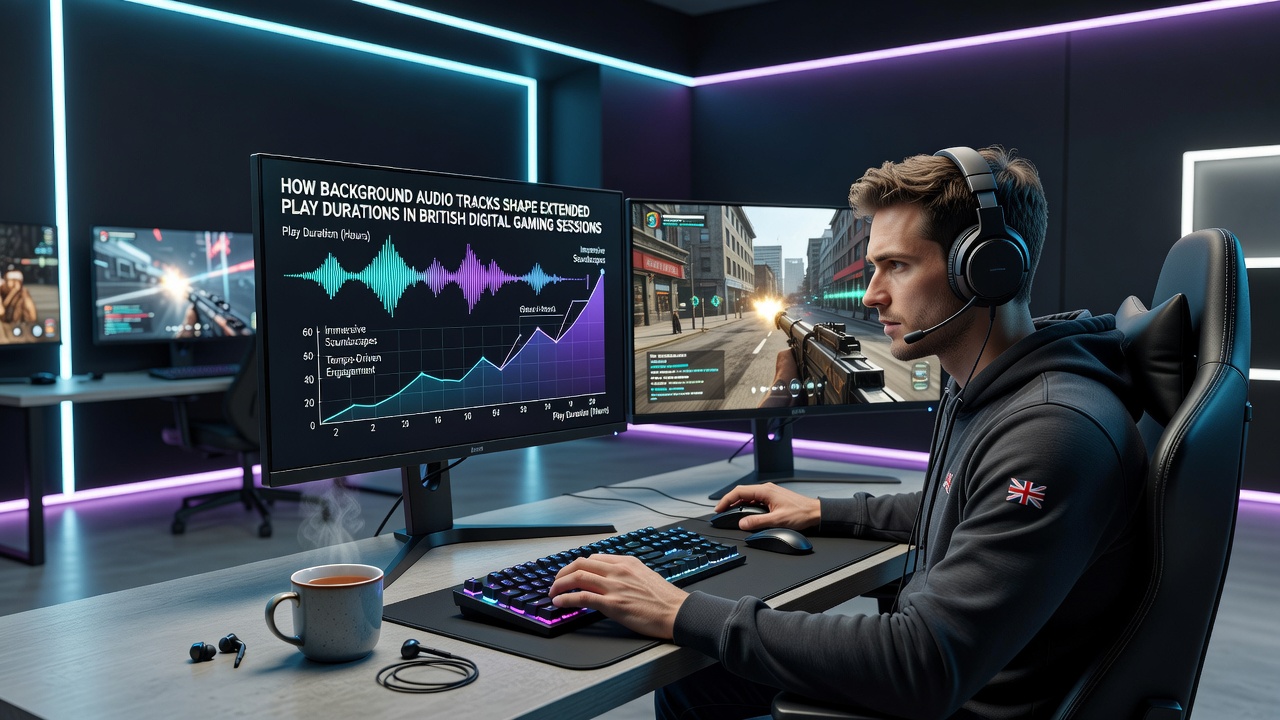
British digital gaming platforms integrate layered background tracks that blend ambient tones with rhythmic pulses, and researchers have tracked how these elements correlate with longer continuous play periods across online environments. Data from multiple studies shows players often remain engaged when audio cues maintain a steady flow without abrupt shifts, creating a seamless loop that aligns with repetitive game mechanics in slots and table games alike.
Studies conducted by academic teams in Europe reveal consistent patterns where music tempo adjustments around 120 beats per minute sustain attention spans, while participants in controlled trials extended their sessions by an average of 22 minutes compared to silent conditions. Observers note that British users frequently report feeling more immersed when tracks incorporate subtle regional influences, such as faint echoes reminiscent of traditional folk rhythms blended into modern electronic scores, and this integration happens without drawing direct focus away from core gameplay actions.
Psychological Mechanisms Behind Audio Engagement
Sound design teams employ principles drawn from cognitive research where background elements trigger dopamine responses through predictable yet varied patterns, and evidence from university-led experiments indicates these responses encourage continued interaction rather than natural breaks. Those who've examined player logs across platforms find that harmonic progressions without resolution points reduce the impulse to pause, because unresolved musical phrases keep the brain anticipating the next beat or layer addition.
Figures from North American research institutions further highlight how spatial audio positioning affects perceived time passage, with players underestimating elapsed durations when sounds pan gently across stereo fields. This effect appears in sessions involving live dealer formats popular among UK participants, where background tracks mask external distractions and maintain a contained auditory space that supports extended focus on betting sequences and card reveals.
Data Patterns from Recent Analyses
Reports compiled through 2025 and into June 2026 document measurable increases in average session times on platforms that refreshed their audio libraries with adaptive scoring systems, and one analysis from an Australian gaming research group linked dynamic volume modulation to a 15 percent rise in play continuity metrics. Players encounter these systems through algorithms that lower intensity during high-stakes moments while raising it during routine spins, creating a balanced environment that avoids both overstimulation and monotony.
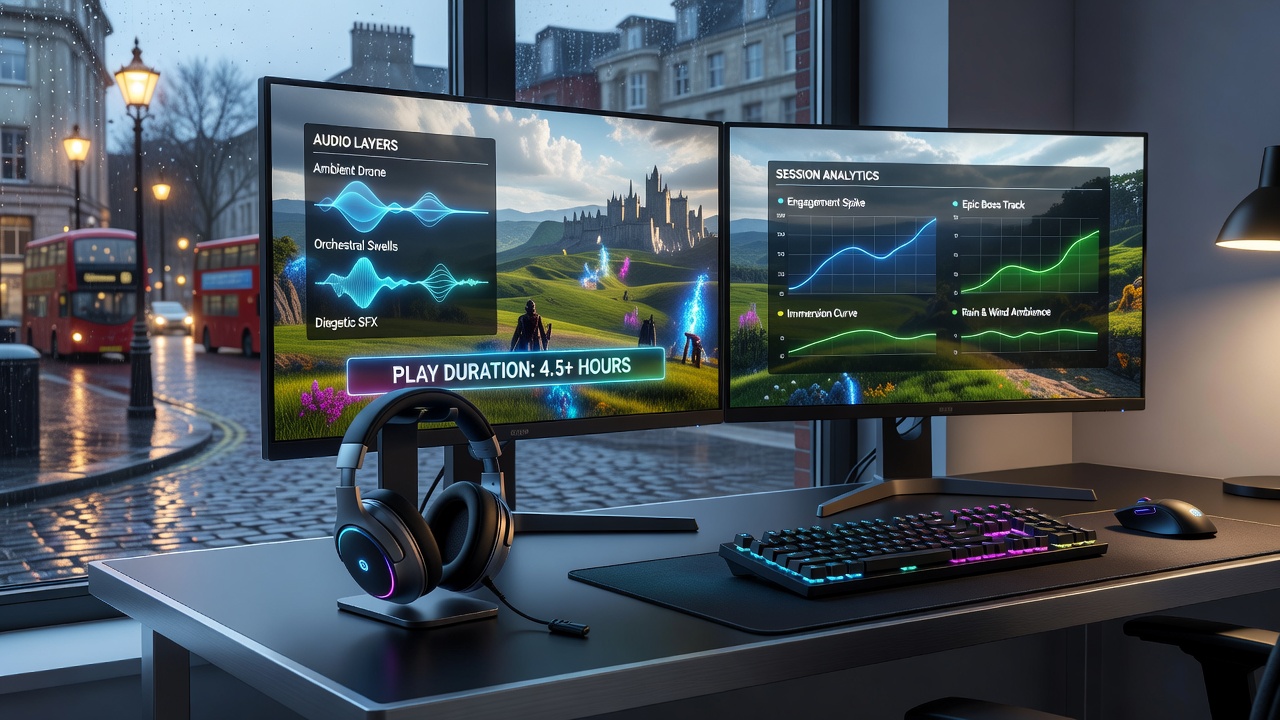
Canadian regulatory data on digital entertainment consumption provides additional context, showing correlations between customized sound options and prolonged engagement across various game categories. British digital sessions mirror these trends when users select from preset audio profiles that include options for minimal percussion or orchestral swells, and platform analytics reveal higher retention rates among those who activate background features rather than muting them entirely.
Platform Implementation Examples
Developers at several international studios have introduced real-time audio layering tools that respond to user activity levels, such as increasing reverb during bonus rounds while maintaining a consistent base melody throughout base game cycles. Those examining user behavior data observe that such responsive elements align with extended play windows, particularly in mobile formats where British players access games during commutes or evening downtime periods.
Industry reports from trade associations across the EU note that integration of royalty-cleared music libraries allows platforms to refresh tracks seasonally without disrupting established player habits, and this continuity supports the gradual extension of session durations over multiple visits. What's interesting is how subtle crossfades between tracks prevent the jarring stops that might otherwise prompt a natural exit from the game environment.
Broader Industry Observations
Academic papers published in psychology journals detail how rhythmic entrainment occurs when background tempos match common interaction speeds in digital games, leading to synchronized player actions that feel more fluid over time. Researchers discovered these alignments contribute to reduced self-monitoring of session length, as the audio provides an external pacing mechanism that replaces internal timekeeping cues.
Global data sets compiled by research networks indicate similar effects appear across different regulatory landscapes, with comparable session extensions noted in markets outside the UK where audio customization remains a standard feature. British digital gaming environments reflect these broader patterns through widespread adoption of adaptive sound engines that prioritize immersion without requiring active user adjustments beyond initial setup.
Conclusion
Background audio tracks continue to factor into session duration metrics across British digital gaming platforms through established psychological adn design mechanisms documented in multiple independent studies. Evidence from varied sources demonstrates how tempo consistency, spatial positioning, and adaptive layering combine to shape continuous play patterns, while platform implementations maintain these elements as core components of user experience design. Ongoing analyses through 2026 and beyond will likely refine understanding of these audio influences as technology evolves.