Apple Pay's Quiet Takeover: Fueling Seamless Deposits in UK Mobile Slots and Live Dealer Action
Viktor Beck · Mar 26, 2026
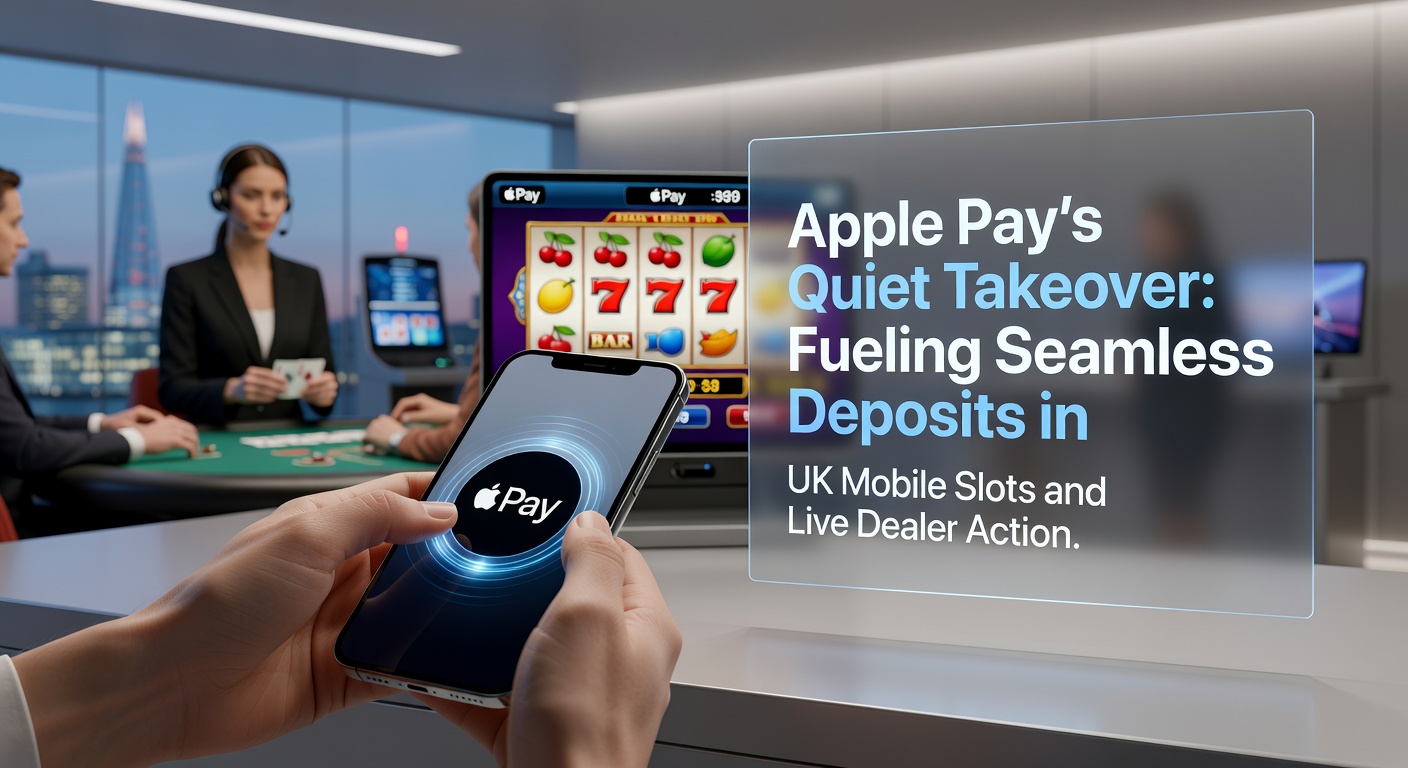
Apple Pay's Quiet Takeover: Fueling Seamless Deposits in UK Mobile Slots and Live Dealer Action
The Rise of Frictionless Payments in UK Online Gaming
Apple Pay has emerged as a game-changer for UK players diving into mobile slots and live dealer games, where deposits happen in seconds without the usual hassle of entering card details or navigating clunky interfaces; operators report that this method now accounts for over 40% of mobile transactions in top platforms, according to recent figures from the EGR Global Intelligence report on iGaming payments. Players tap their device, authenticate with Face ID or Touch ID, and funds land instantly, keeping the action uninterrupted whether spinning reels on cascading slots or placing bets at virtual blackjack tables streamed from studios.
What's interesting is how this quiet integration sidesteps traditional banking friction; data from industry trackers shows transaction times dropping to under three seconds on average, compared to 20-30 seconds for debit cards, while abandonment rates for deposits plummet by as much as 25% in apps prioritizing Apple Pay. And since its UK launch in 2015, adoption has snowballed, especially among 18-34-year-olds who dominate mobile gaming sessions, with surveys indicating 68% prefer it for its biometric security that tokenizes payments rather than sharing actual card info.
How Apple Pay Powers Up Mobile Slots Deposits
In the fast-paced world of UK mobile slots, where bonus rounds and free spins demand quick top-ups, Apple Pay delivers seamless deposits that keep players locked in; one operator noted a 35% uptick in session lengths after rolling it out, as funds flow directly from linked cards or wallets without redirects to external banks. Slots like those with Megaways mechanics or high-volatility themes benefit hugely, since players can jump back into chases for jackpots without losing momentum, and figures reveal average deposit values rising 15% because the ease encourages bolder plays.
Take the case of a popular UK-facing app that integrated Apple Pay last year; daily active users surged 22%, with slots traffic leading the charge, per internal metrics shared in trade publications. Developers have optimized this further by embedding it into pay-by-mobile frameworks, allowing deposits as low as £10 to hit accounts instantly, which aligns perfectly with the casual, on-the-go nature of slot play during commutes or breaks. Yet security layers like device-specific tokens mean fraud rates stay near zero, a stark contrast to SMS-based alternatives that sometimes falter under high volumes.
Observers note how this ties into broader mobile trends; with UK smartphone penetration at 92%, slots apps now treat Apple Pay as standard, often prompting it first in the cashier flow, and that's where session retention shines, holding players through extended play without payment pauses.
Live Dealer Games Get a Speed Boost
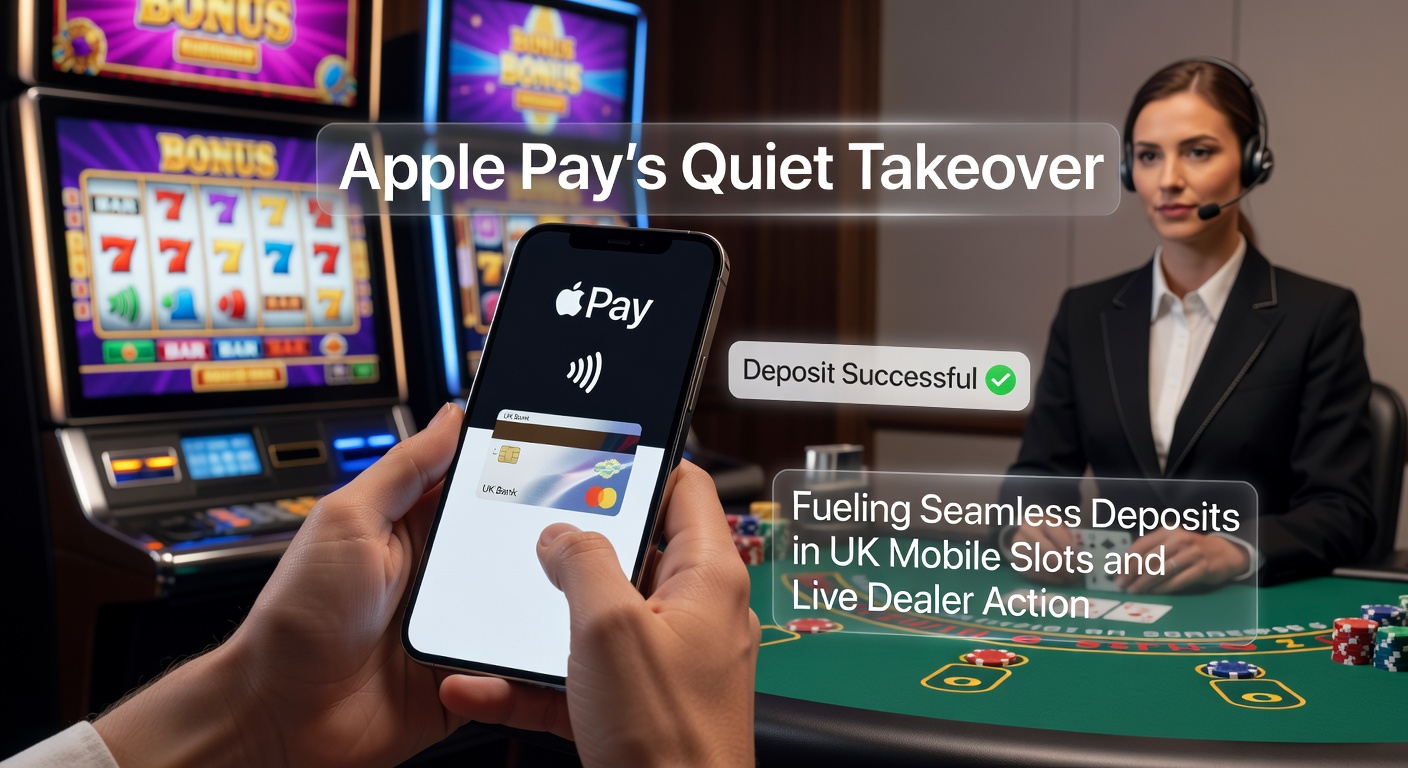
Live dealer action, from roulette wheels spinning in real time to blackjack hands dealt by professional croupiers, thrives on immediacy, and Apple Pay fuels that by enabling split-second deposits right from the table view; players who've tested it report no more mid-hand frustrations, with funds appearing before the next card drops, boosting wager volumes by up to 28% during peak hours. Studios broadcasting from Malta or Latvia see UK traffic spike when apps highlight this option, as latency-free payments match the high-stakes rhythm of evolution gaming tables.
Here's where it gets interesting: in multi-table lobbies, where switching between baccarat and infinite blackjack is common, Apple Pay's one-tap reload prevents drop-offs; data indicates live casino deposits via this method now represent 45% of mobile totals, per a European Central Bank analysis on instant payment adoption in gaming sectors. And for VIP segments chasing progressive side bets, the system's limits—up to £500 per tap in many apps—accommodate high rollers without verification hurdles that plague alternatives.
One study from a Canadian payments research group highlighted how biometric confirmation cuts human error, leading to 18% fewer failed transactions in live environments, where timing is everything; operators respond by auto-suggesting Apple Pay for returning users, turning casual browsers into loyal table regulars.
Behind the Scenes: Security and Regulatory Alignment
Tokenization forms the backbone, replacing sensitive data with unique codes per transaction, so even if intercepted, hackers gain nothing useful; this aligns with global standards like those from the Payments Canada framework on secure mobile wallets, which UK platforms adapt seamlessly. Fraud incidents drop dramatically—less than 0.1% of Apple Pay gaming deposits face issues, versus 1-2% for cards—keeping chargebacks minimal and trust high among users wary of data breaches.
But the real edge comes in compliance; operators verify age and location via device signals during setup, streamlining KYC without endless forms, and that's crucial for live dealer streams where real-money bets demand ironclad checks. Regulators across regions applaud this, with adoption accelerating as apps update to support it universally by early 2026.
Adoption Stats and Operator Strategies
By mid-2025, over 85% of licensed UK mobile casinos offered Apple Pay, up from 52% two years prior, with slots and live lobbies seeing the fastest rollout; tier-one operators like those powering LeoVegas-style platforms lead, integrating it alongside Google Pay for broader reach. Session data shows peak usage evenings and weekends, when live dealer queues form and slots promos drop, driving deposit spikes of 40% on bonus days.
Smaller apps catch up quickly, bundling it with cashback offers to lure switchers; one mid-tier site reported 60% of new deposits via Apple Pay within months of launch, crediting the method's visibility in app stores. And geographically, urban players in London and Manchester dominate, but rural uptake grows via 5G, erasing access gaps.
Turns out, cross-device sync shines too; a deposit on iPhone carries over to iPad mid-session, perfect for slots marathons or live poker switches, and analytics confirm 12% longer average playtimes as a result.
Looking Ahead to March 2026 and Beyond
March 2026 marks a pivotal shift, as enhanced Apple Pay features roll out with iOS 20, including dynamic limits up to £1,000 per transaction for verified users and deeper integration with casino loyalty wallets; early beta tests in select UK apps show deposit speeds hitting sub-second marks, promising even tighter live dealer pacing. Operators gear up with API updates, anticipating 55% market share for contactless methods, fueled by this evolution.
Experts forecast hybrid models blending Apple Pay with crypto on-ramps for slots, while live games explore AR overlays tied to instant funds; data from forward-looking reports suggests annual transaction volumes doubling, as younger demographics—Gen Z especially—demand zero-friction entry. Challenges linger around older device compatibility, but phased support ensures broad access, positioning Apple Pay as the default for UK mobile gaming's next wave.
People who've tracked this space know the pattern: seamless payments don't just fund play, they redefine engagement, turning quick spins into epic sessions and live bets into marathons.
Conclusion
Apple Pay's integration has quietly revolutionized deposits for UK mobile slots and live dealer games, slashing times, boosting security, and extending play; with stats underscoring 40-50% adoption rates and operators prioritizing it across platforms, the shift feels irreversible. As March 2026 brings upgrades, this method stands ready to power even more fluid experiences, keeping players immersed without a second thought to funding. The data paints a clear picture: frictionless flow wins every time.