Charting Player Journeys Through Tiered Rewards in Multi-Game Mobile Ecosystems
Otto Wagner · Aug 21, 2026
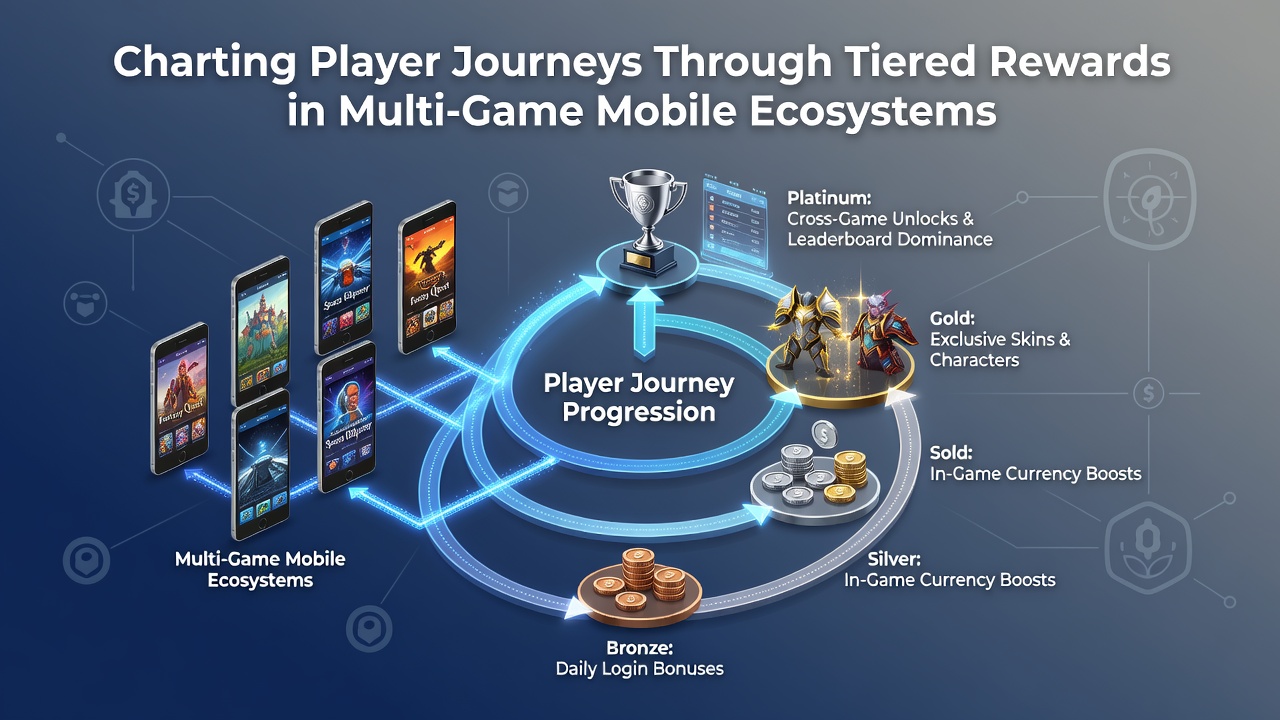
Charting Player Journeys Through Tiered Rewards in Multi-Game Mobile Ecosystems
Player journeys in multi-game mobile ecosystems unfold through structured tiered reward systems that span several titles on a single platform, and these frameworks guide users from initial onboarding stages toward sustained engagement across connected experiences. Developers integrate loyalty mechanics that accumulate progress points from one game while unlocking benefits in others, which creates pathways where early actions in a casual title feed into advanced features within strategy or role-playing environments.
Core Mechanics of Tiered Structures
Tiered rewards operate on progressive levels where participants earn badges, currency multipliers, or exclusive content based on cumulative activity metrics, and these systems track metrics such as session duration, in-game purchases, and social interactions across the ecosystem. Data from industry reports indicate that platforms employing cross-game tiers see retention rates climb when users unlock shared perks like accelerated resource gathering or cosmetic upgrades that transfer between titles. Researchers at the University of Southern California have documented how these layers encourage exploration of new games within the same network rather than isolated play sessions.
Implementation often begins with entry-level tiers that reward basic milestones, whereas higher tiers demand consistent cross-title participation and deliver escalating advantages including priority event access or personalized challenges. Observers note that successful ecosystems align reward pacing with natural player advancement curves, which prevents early burnout and maintains momentum through monthly or seasonal resets that refresh opportunities without erasing prior progress.
Mapping Individual Progression Paths
Individual journeys vary according to play styles, and analytics platforms reveal distinct patterns where some users focus on rapid tier climbs through targeted spending while others advance steadily via free-to-play routes emphasizing skill and community contributions. Case studies from major studios show that players who engage with three or more titles in an ecosystem achieve tier milestones 40 percent faster than single-game participants, largely because bonus multipliers from diversified activity compound over time. And this acceleration becomes evident when shared leaderboards highlight collective achievements that spill over into individual accounts.
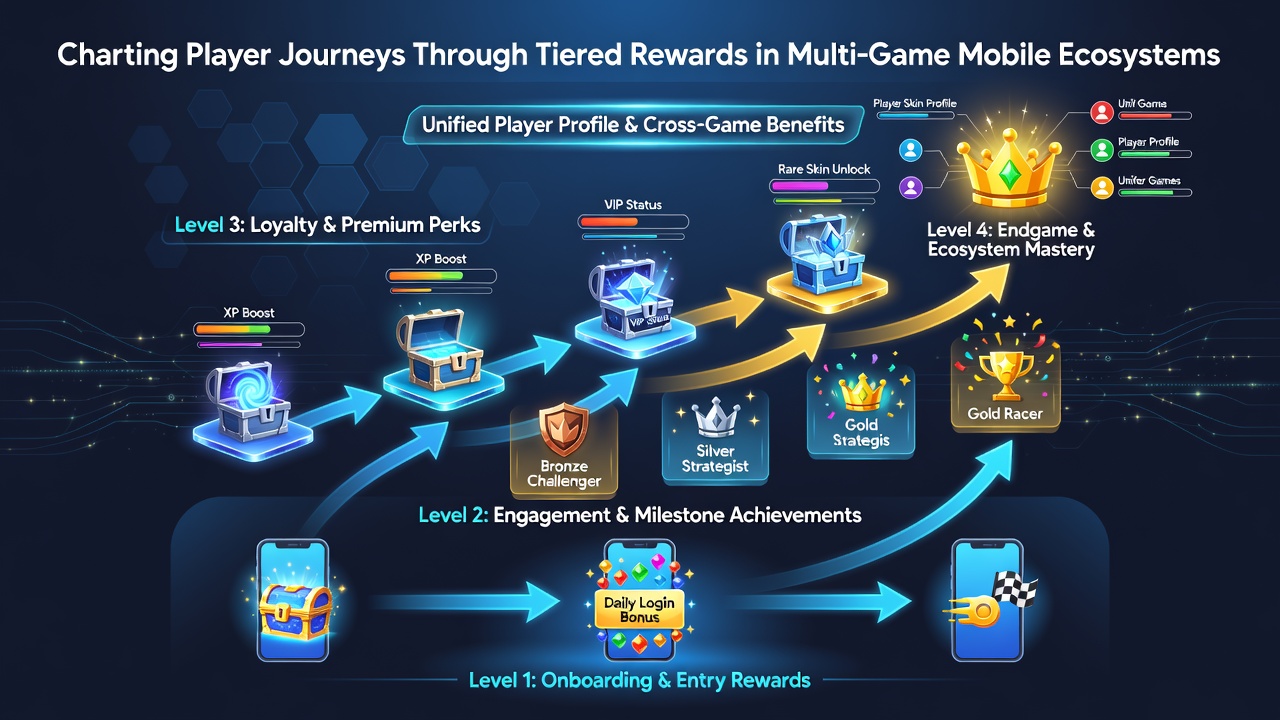
Platforms refine these paths through data-driven adjustments, and updates rolled out in August 2026 incorporated machine learning models that predict optimal reward timing based on regional play habits. European gaming associations have tracked similar refinements, noting that adaptive tiers reduce churn by aligning incentives with demonstrated user preferences rather than uniform schedules. Those who study retention metrics find that personalized journey maps outperform static ladders because they account for fluctuations in daily engagement across different game genres.
Cross-Platform Integration Challenges
Technical integration requires synchronized account systems that preserve tier status regardless of device or operating system, and developers address latency issues through cloud-based progress tracking that updates in real time. Industry organizations such as the Interactive Games and Entertainment Association in Australia have published guidelines emphasizing secure data sharing protocols that maintain user trust while enabling seamless transitions between titles. But here is where execution matters most: mismatches in reward valuation between games can create friction, prompting teams to recalibrate point economies quarterly based on aggregate feedback.
Examples from North American studios illustrate successful navigation of these challenges, where unified dashboards display tier progress alongside suggested next actions in underutilized titles. Research indicates that such visibility tools increase cross-game exploration by highlighting untapped reward potential, and users respond positively when interfaces present clear visual maps of upcoming unlocks without overwhelming detail.
Future Trajectories and Ecosystem Growth
Expansion of these systems continues as more developers adopt shared reward currencies that hold value across expanding game libraries, and projections from market analysts point to wider adoption in emerging markets where mobile penetration supports multi-title ecosystems. Academic papers from Canadian research institutions highlight how tier transparency correlates with higher lifetime value per user when combined with ethical design practices that avoid manipulative pacing. What's interesting is the way seasonal events in August 2026 synchronized global tier resets, allowing simultaneous community-wide progression spikes that boosted participation metrics across platforms.
Regulatory environments in various regions continue to shape implementation details, yet the core appeal remains rooted in tangible progression that rewards time investment across multiple experiences rather than isolated sessions. Those who've examined long-term data observe sustained interest when tiers incorporate both competitive and cooperative elements, fostering ecosystems where individual advancement supports broader community milestones.
Conclusion
Tiered reward structures in multi-game mobile ecosystems provide measurable frameworks for guiding player progression, and ongoing refinements based on behavioral data ensure these systems adapt to evolving user patterns. Integration across titles creates interconnected experiences that extend engagement horizons while technical and design considerations maintain balance. As platforms scale, the emphasis on transparent, adaptive journeys positions these mechanics as central components in future mobile gaming landscapes.