Contactless Technologies Transforming Participation in Live Dealer Tables and Slot Games
Viktor Beck · Aug 24, 2026

Contactless Technologies Transforming Participation in Live Dealer Tables and Slot Games
Operators across multiple jurisdictions have integrated contactless payment systems into platforms that host live dealer tables and reel games, allowing players to complete deposits through NFC-enabled devices and digital wallets without physical card insertion or lengthy verification steps. These systems rely on short-range wireless communication protocols that transmit encrypted transaction data directly from smartphones or wearables to payment processors, reducing the time between funding an account and entering a game session.
Data compiled by the European Gaming and Betting Association shows transaction completion times dropping to under three seconds in many implementations, a shift that has coincided with increased session starts during peak evening hours in European markets. Live dealer environments benefit particularly because real-time interaction with dealers and other participants demands uninterrupted access, while reel games see steady uptake through automated top-up features that trigger after each spin cycle concludes.
Security Protocols and Regulatory Frameworks
Encryption standards employed in contactless gambling transactions typically follow EMVCo specifications, which segment payment credentials into dynamic tokens that expire after a single use. Observers note that tokenization limits exposure of static card details, a measure reinforced by device-level biometric authentication such as fingerprint or facial recognition. In August 2026, several platforms reported compliance audits confirming that token refresh rates aligned with updated guidelines from the New Jersey Division of Gaming Enforcement, where operators must log every tokenized exchange for a minimum of seven years.
Regional differences appear in how regulators approach contactless limits. Canadian provincial authorities have maintained daily caps on contactless deposits at CAD 500 for accounts verified through government-issued identification, whereas certain Australian state frameworks permit higher thresholds when players opt into additional multi-factor checks. These variations influence how quickly new users progress from registration to active play across live tables and automated reel interfaces.
Mobile Integration Patterns in Live and Reel Environments
Live dealer tables require stable connections because players interact via video streams and chat overlays while placing bets in real time. Contactless funding integrates directly into these interfaces through in-app wallets that pull from linked bank accounts or stored value, eliminating the need to exit the table view. Reel game sessions, by contrast, often incorporate contactless triggers at the conclusion of bonus rounds, prompting players to replenish balances before the next spin sequence begins.
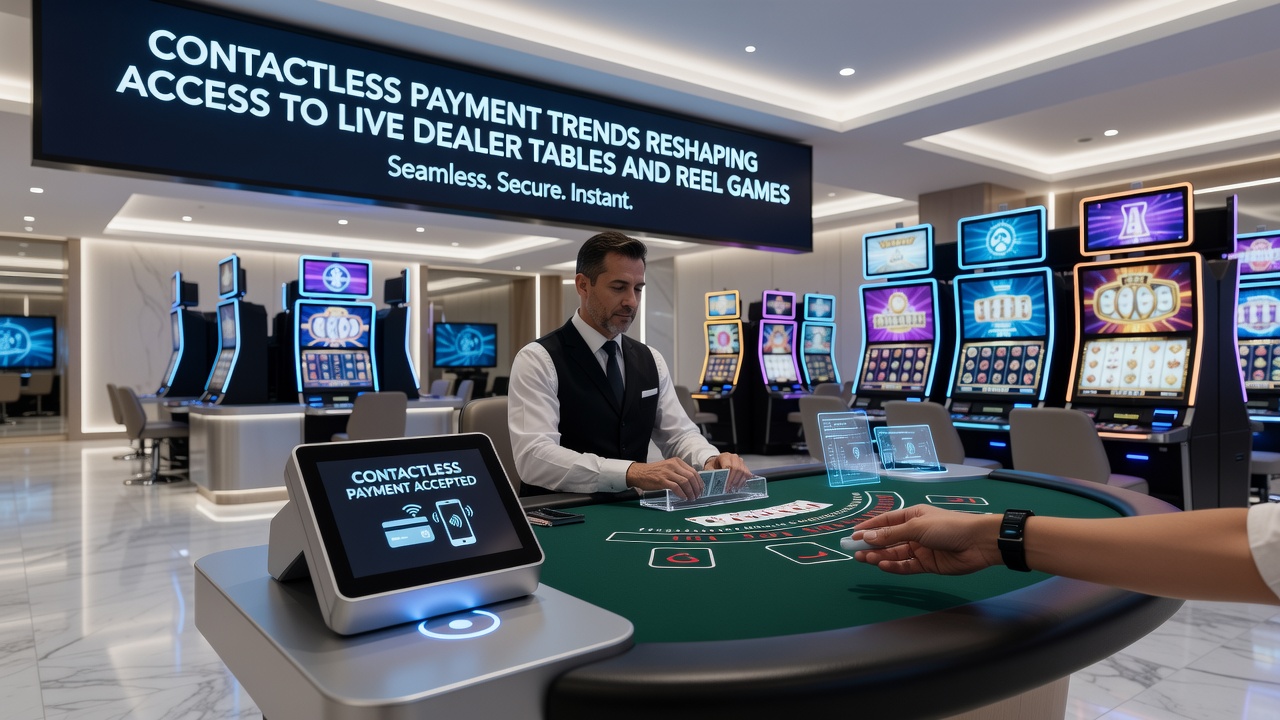
Industry reports from the University of Nevada Gaming Research Center indicate that mobile sessions incorporating contactless options recorded a 22 percent rise in average duration compared with card-only methods during the first half of 2026. The same analysis found that players accessing live blackjack and roulette tables completed an average of 1.8 additional deposit actions per hour when NFC pathways remained active, suggesting the friction reduction sustains engagement across extended periods.
Cross-Border Transaction Handling
Platforms serving international audiences must reconcile differing currency conversion rules and data localization requirements when contactless payments originate from multiple countries. Processors route tokenized requests through regional hubs that apply local tax withholdings before crediting operator accounts, a step that occurs within milliseconds of authorization. Those who have examined settlement logs note that live dealer tables experience fewer interruptions when processors pre-authorize small recurring amounts, whereas reel game clusters often batch multiple micro-transactions into single nightly settlements to control fees.
Research published by the Australian Institute of Criminology highlights that contactless adoption rates among players aged 25 to 34 reached 67 percent in monitored markets by mid-2026, compared with 41 percent for users over 45. The study attributes the gap partly to device ownership patterns and familiarity with digital wallet ecosystems rather than regulatory barriers alone.
Future Infrastructure Developments
Hardware upgrades planned for 2027 include expanded support for ultra-wideband chips in newer smartphones, which could further shorten the physical proximity required for contactless handshakes during live sessions. Software-side enhancements focus on seamless handoff between Wi-Fi and cellular networks so that reel game animations and live video feeds remain uninterrupted when a deposit processes in the background.
Operators continue to test integration with wearable devices that store payment credentials, allowing players to authorize table bets or reel spins through wrist gestures. Early pilots conducted under oversight from Singapore's Gambling Regulatory Authority demonstrated transaction success rates above 99 percent when network latency stayed below 50 milliseconds, metrics that operators track to maintain consistent access across both live and automated game formats.
Conclusion
Contactless payment infrastructure has altered the entry points available to participants in live dealer tables and reel games by compressing authorization timelines and embedding funding tools within active sessions. Figures from multiple regulatory and academic sources illustrate measurable shifts in session length and deposit frequency, patterns that persist across varied geographic frameworks. As device capabilities advance and processors refine token management, the underlying transaction layer continues to support broader participation without altering core game mechanics or regulatory compliance obligations.