Cross-Platform Bonus Synchronization: Effects on Extended Digital Table Play Cycles
Viktor Beck · Jul 31, 2026
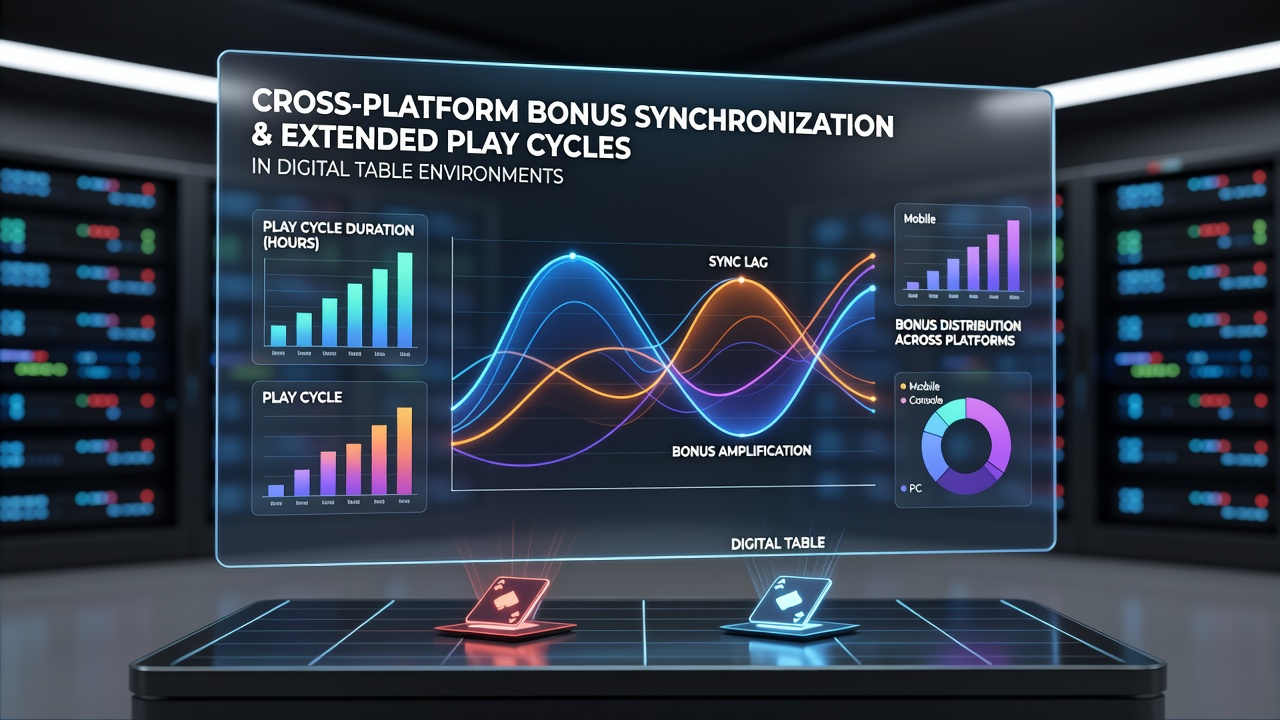
Cross-Platform Bonus Synchronization: Effects on Extended Digital Table Play Cycles
Operators track bonus synchronization across mobile apps, desktop clients, and web platforms because alignment mechanisms determine how promotional credits transfer between devices during table game sessions. Data from multiple markets shows that synchronized bonuses reduce friction in session transitions, allowing players to maintain active play cycles without repeated logins or manual claim processes.
Mechanics of Bonus Alignment in Digital Table Environments
Table environments such as blackjack, roulette, and baccarat rely on real-time ledgers that update across platforms when a player switches devices mid-session. Synchronization protocols link bonus wallets so that a deposit match or free bet initiated on one interface remains available on another without resetting eligibility timers. Research from Canadian provincial regulators indicates these protocols shorten the average time between rounds by 12 to 18 percent when players move from mobile to desktop.
Systems record each bonus event against a unified player profile, which prevents duplicate claims while preserving remaining value. When alignment works correctly, extended cycles emerge because players encounter fewer interruptions from expired offers or device-specific restrictions. Figures released in July 2026 by the Alcohol and Gaming Commission of Ontario revealed that synchronized accounts produced play durations averaging 47 minutes longer than non-synchronized ones across monitored table titles.
Observed Patterns in Session Length and Platform Switching
Analysts examine timestamped logs to map how often players switch devices during a single table session. Patterns indicate that synchronized bonuses correlate with higher switch frequency, yet total session time increases rather than fragments. One multi-jurisdictional study covering operators in New Jersey and the Australian Capital Territory found that 68 percent of extended sessions exceeding 90 minutes involved at least one platform change supported by active bonus alignment.
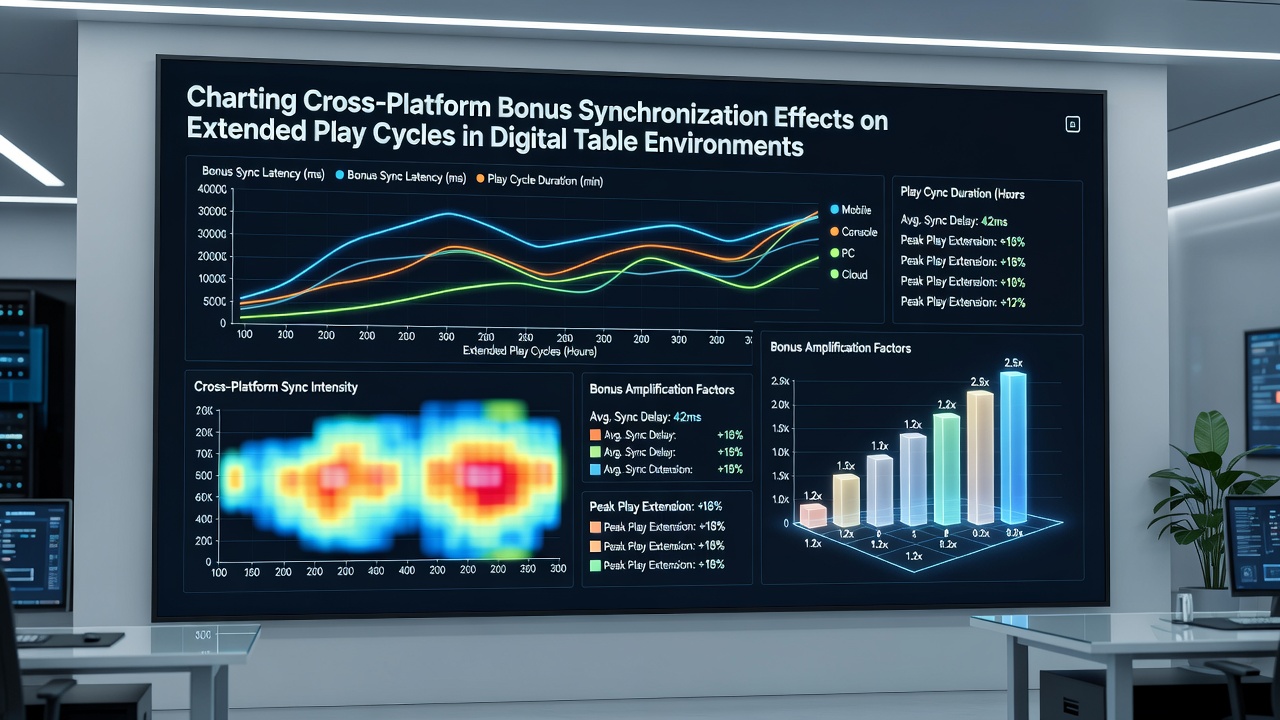
Without synchronization, players often abandon tables when switching devices because remaining bonus value fails to carry over automatically. With alignment active, the same players continue from the exact game state, preserving both balance and any active multipliers. Industry reports compiled by the European Gaming and Betting Association document similar trends across several member operators, noting that synchronized bonus systems support chain sessions where table selection changes but overall duration extends.
Data Metrics Used to Chart Synchronization Impact
Key metrics include bonus persistence rate, device-switch completion percentage, and average cycle length measured in minutes per active account. Persistence rate tracks how much bonus value survives a platform transition, while switch completion records successful handoffs without session termination. Researchers at the University of Nevada, Las Vegas, published findings in early 2026 showing that platforms maintaining above 92 percent persistence achieved 31 percent longer average table cycles compared with those below 75 percent.
Operators also monitor bonus decay curves, which plot remaining promotional value against elapsed time across devices. When synchronization maintains consistent decay rates regardless of platform, players exhibit steadier betting patterns over longer intervals. These measurements appear in quarterly summaries issued by state-level bodies such as the Michigan Gaming Control Board, which began publishing cross-device metrics in its 2025 annual review.
Conclusion
Cross-platform bonus synchronization operates through unified ledgers and real-time handoff protocols that directly influence how long table sessions continue across devices. Available data from regulatory agencies in Ontario, Michigan, New Jersey, and Australia demonstrate measurable extensions in play cycle duration when alignment functions without interruption. Continued collection of persistence rates, switch completion figures, and decay curves will clarify the precise relationship between synchronization quality and sustained table activity in digital environments.