Data Synchronization Breakthroughs Unifying Desktop and Mobile Casino Access in Britain
Gisela Jung · Jul 13, 2026
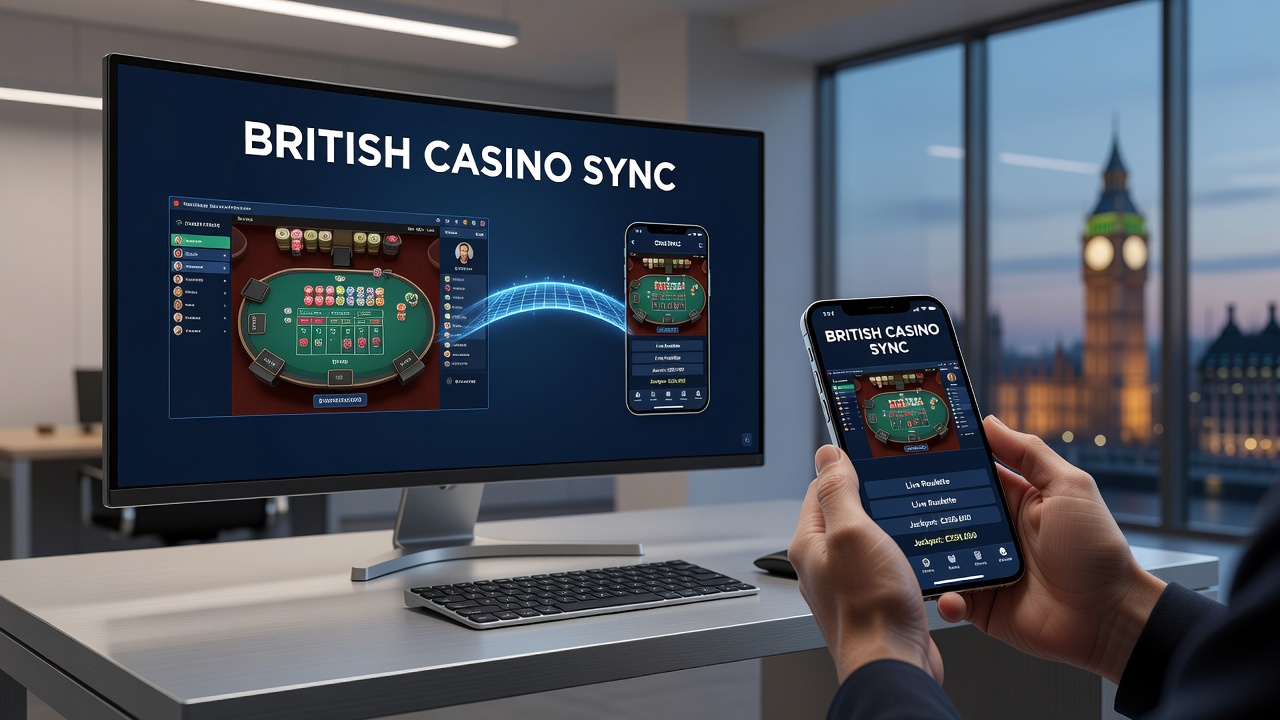
Data Synchronization Breakthroughs Unifying Desktop and Mobile Casino Access in Britain
Operators in Britain have rolled out cloud-based synchronization systems that maintain consistent user states across desktop computers and mobile devices, allowing account balances, game progress, and session histories to update instantaneously regardless of the platform in use. These systems rely on secure API frameworks and real-time data replication protocols that push changes from one device to all others within milliseconds, eliminating the need for manual refreshes or repeated logins when switching between screens.
Technical Foundations of Cross-Device Continuity
Developers employ distributed database architectures combined with WebSocket connections to achieve this level of continuity, while token-based authentication ensures that each device receives encrypted updates without exposing sensitive details during transmission. Industry analyses from the European Gaming and Betting Association highlight how these protocols reduce latency to under 200 milliseconds in most urban networks, supporting uninterrupted play during transitions from desktop sessions to mobile commutes.
Additional layers include conflict-resolution algorithms that prioritize the most recent action when simultaneous inputs occur on multiple devices, preventing discrepancies in bet placements or bonus activations. By July 2026, several major platforms plan to integrate edge-computing nodes across UK data centers to further compress these sync times, particularly during peak evening hours when traffic volumes increase.
User Session Management Across Environments
Players start a slot session on a desktop workstation and continue the same spin sequence on a smartphone without losing accumulated multipliers or free-spin counters, because the backend servers store game states in centralized repositories that all authorized devices can access. This approach extends to live dealer tables, where camera feeds and chat logs remain synchronized so that users can switch devices mid-round while retaining their seat and ongoing wagers.
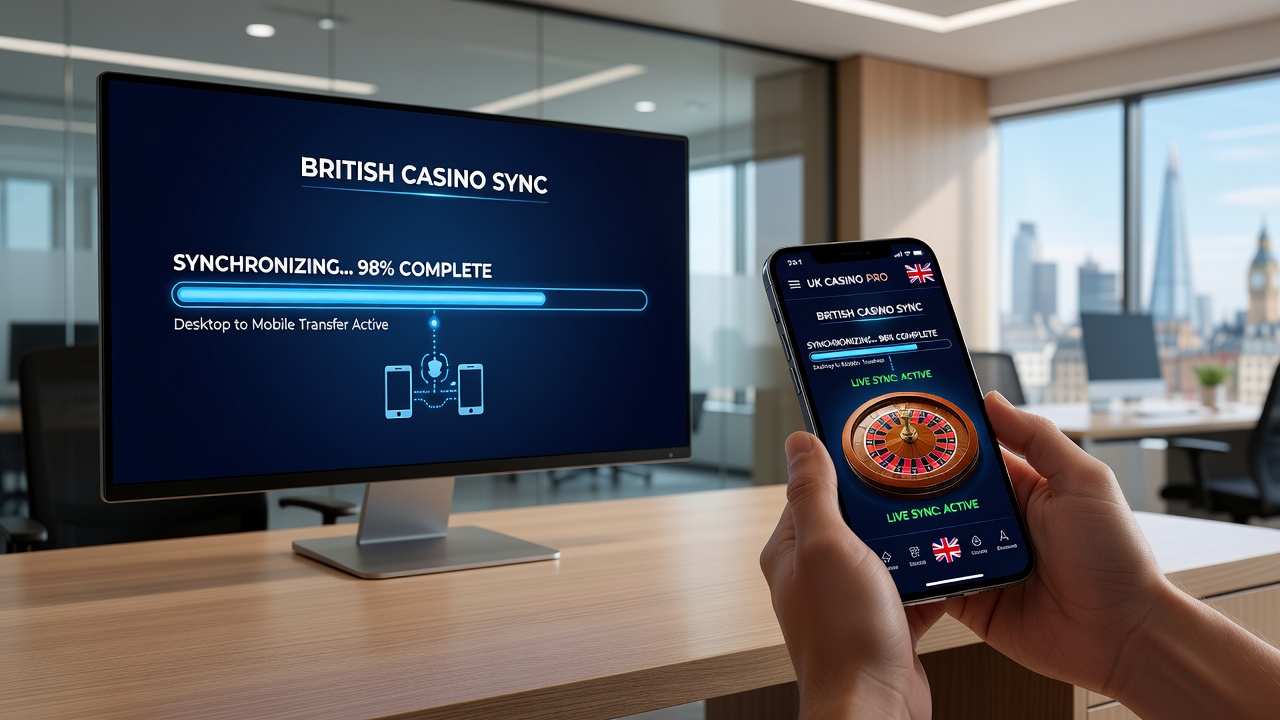
Research from the University of Las Vegas International Gaming Institute demonstrates that synchronized environments decrease session abandonment rates by maintaining visual and functional consistency, as users encounter the same interface layouts and notification preferences on every device. Observers note that push-notification services further reinforce this continuity by alerting players to completed deposits or pending withdrawals irrespective of their current hardware.
Security Measures Supporting Seamless Transitions
Encryption standards such as TLS 1.3 combined with device-fingerprinting techniques verify each login attempt, blocking unauthorized access even when users move rapidly between networks. Multi-factor prompts appear only during initial device registration, after which biometric or PIN options handle subsequent authentications while the sync layer operates in the background.
Financial transactions also benefit from these unified systems, because deposit and withdrawal records update across platforms immediately, allowing users to review full histories without exporting data manually. Australian regulatory reviews of similar cross-device frameworks have shown measurable reductions in support tickets related to balance mismatches, a pattern now emerging in British deployments.
Future Developments and Integration Trends
Emerging standards for progressive web applications allow casino interfaces to retain offline caching capabilities that reconcile automatically once connectivity resumes, preserving player preferences and partial game data during temporary signal loss. Partnerships between software providers and telecommunications firms aim to embed 5G slicing technologies that prioritize casino traffic for lower jitter during live streams.
Those who have studied platform telemetry report that adoption of unified sync features correlates with higher average session durations, as the friction of device switching diminishes. Continued refinement of these systems focuses on expanding compatibility with wearable devices and voice-activated interfaces while maintaining strict data-protection compliance.
Conclusion
Advanced synchronization protocols now form a core component of British casino applications, delivering consistent experiences that span desktop and mobile environments through robust backend infrastructure and secure data flows. As these technologies mature, they continue to reshape how operators manage player engagement across an expanding range of hardware.