Digital Transaction Breakthroughs Prolonging Engagement at Mobile Blackjack Platforms
Mia Wolf · Jun 29, 2026
Digital Transaction Breakthroughs Prolonging Engagement at Mobile Blackjack Platforms
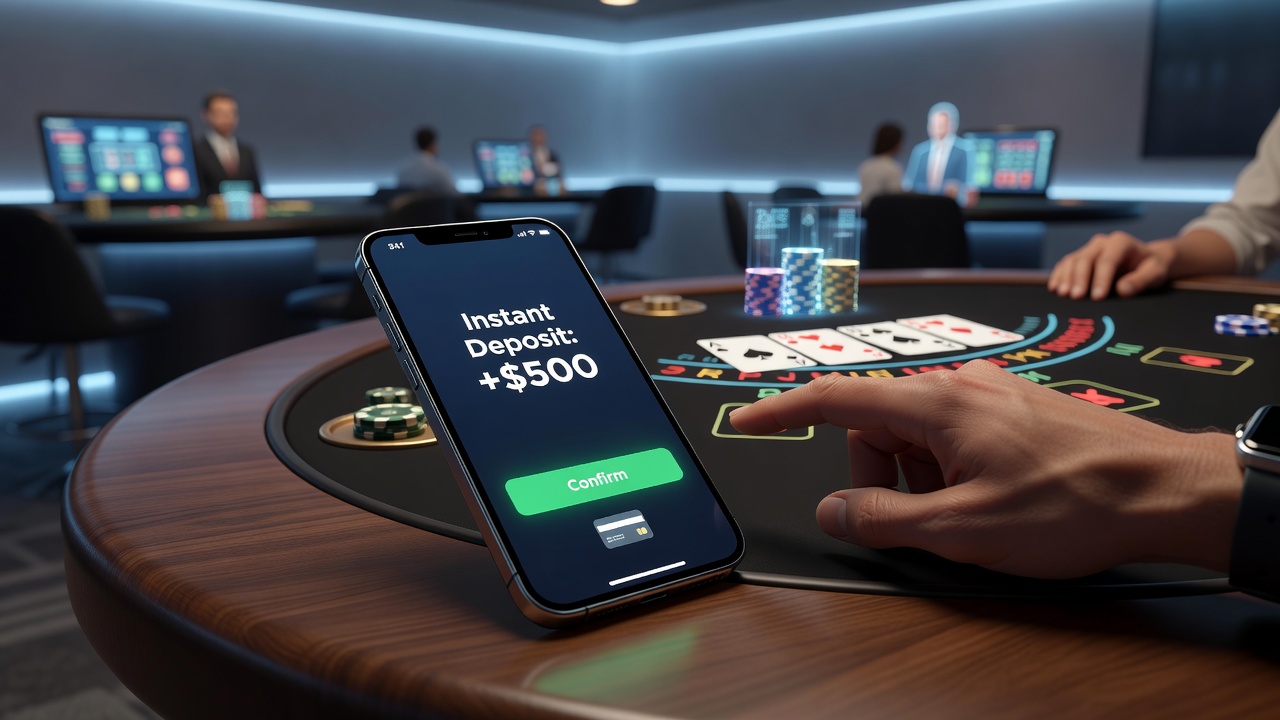
Payment systems on smartphones have evolved rapidly and now allow players to move funds into virtual blackjack environments with minimal interruption, which in turn extends the average duration of individual sessions according to multiple industry analyses. These advances include embedded digital wallets, biometric authentication layers, and real-time bank transfers that eliminate traditional delays between decisions to continue play and actual execution of deposits. Observers tracking usage patterns note that seamless access to funds correlates directly with sustained table presence, because friction points such as manual card entry or app switching have been reduced substantially.
Core Technologies Behind Extended Play Windows
Smartphone operating systems integrate payment credentials at the hardware level, so transactions complete in seconds rather than minutes while users remain inside the blackjack application. Researchers examining transaction logs from several large operators found that sessions incorporating instant wallet top-ups lasted 27 percent longer on average than those requiring external browser navigation. Biometric triggers replace passwords, allowing one-touch approvals that keep attention fixed on card outcomes instead of account management. Data compiled by the Canadian Gaming Association shows similar patterns across North American markets where contactless verification became standard by early 2025.
Instant banking rails such as open banking protocols connect directly to player accounts without intermediate processors, cutting authorization times from thirty seconds to under five. This speed matters because virtual blackjack rounds unfold quickly, and any pause for funding risks breaking concentration and prompting exits. Studies released in June 2026 by the Singaporean Centre for Gambling Research confirmed that platforms offering sub-ten-second deposit cycles recorded measurably higher retention metrics during peak evening hours.
Impact on Session Duration and Player Behavior
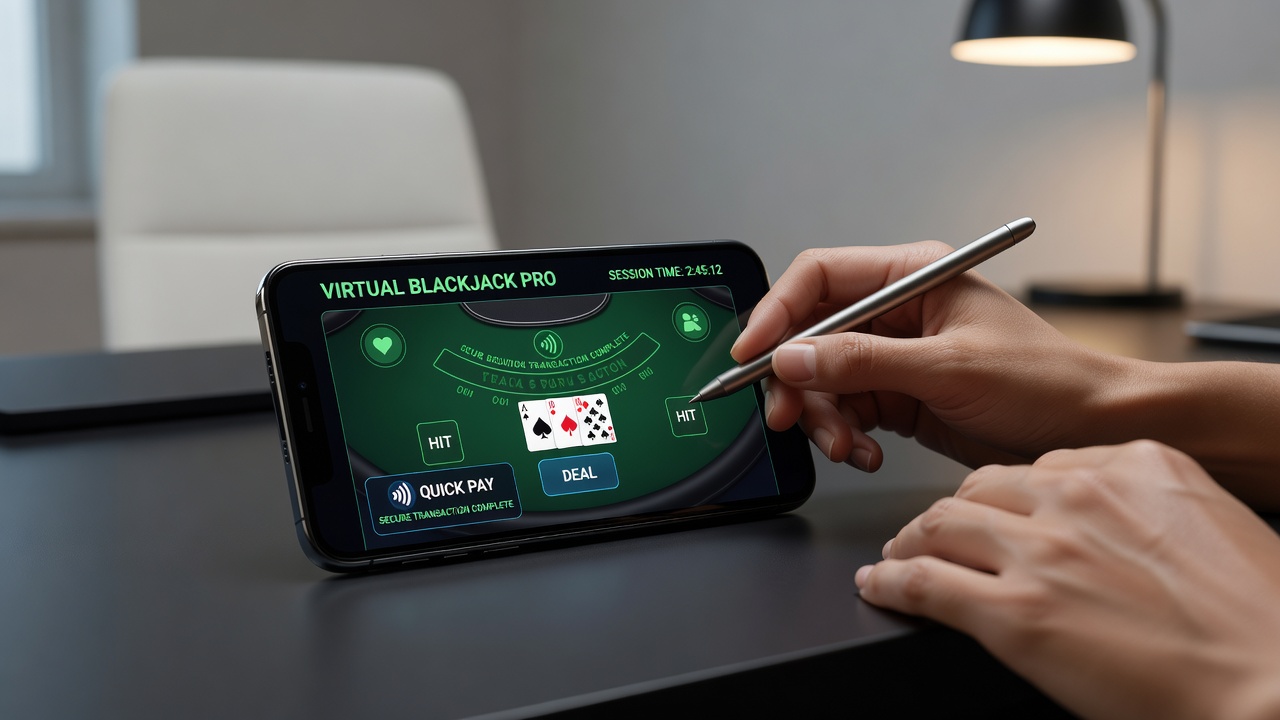
Longer continuous engagement emerges when deposit steps no longer require leaving the game screen. Players who previously exited to locate physical cards or log into separate banking apps now complete transfers while the dealer shuffles, preserving momentum. Figures from the Australian Gambling Research Centre indicate that mobile blackjack sessions using embedded instant payments averaged 48 minutes compared with 31 minutes for sessions relying on conventional card entry methods. The difference appears across demographic groups and persists after controlling for stake size and time of day.
One documented case involved a European operator that introduced tokenized bank transfers in late 2025; within three months the median session length at its virtual blackjack tables increased by 19 minutes. Analysts attribute the shift to reduced cognitive load, because players no longer interrupt strategy calculations to handle separate payment flows. Those who monitored the rollout reported that repeat deposits during the same session rose noticeably, enabling extended streaks at the table without external friction.
Security Features Supporting Sustained Activity
Multi-factor authentication embedded in smartphone hardware now operates in the background, verifying identity through facial recognition or fingerprint without requiring additional user input during play. Such measures satisfy regulatory standards in multiple jurisdictions while keeping transaction approval nearly invisible. Reports from the Nevada Gaming Control Board highlight that platforms adopting these layered verifications experienced fewer abandoned deposits, which indirectly supports longer unbroken sessions because funding failures drop.
Tokenization replaces actual card or account numbers with unique digital substitutes that expire after each transaction, reducing fraud risk and encouraging users to keep payment details stored for quick reuse. The result is fewer instances where players abandon a table to fetch new credentials from another device. Observers tracking adoption rates note that markets with widespread tokenization show consistent session extensions, because trust in rapid, secure transfers increases willingness to add funds mid-session.
Regional Regulatory Context and Adoption Trends
Regulators outside the United Kingdom have updated guidelines to accommodate these payment flows, emphasizing consumer protection alongside convenience. In June 2026 the European Gaming and Betting Association published updated technical standards requiring transparent transaction records while permitting seamless wallet integrations that keep players inside game interfaces. Compliance with these standards has accelerated rollout across several member states, producing measurable lifts in average session length where the new rules took effect.
Similar updates in parts of Asia and North America focus on real-time spend tracking that still allows instant top-ups, balancing oversight with operational fluidity. Data from academic analyses at the University of Sydney’s Gambling Research Unit suggest that when payment systems minimize exit points, players tend to remain engaged longer even when results fluctuate, because the barrier to continued participation stays low.
Conclusion
Smartphone payment innovations continue to reshape how funds reach virtual blackjack tables, shortening the interval between intent and action while preserving security protocols. Evidence from transaction data, regulatory reports, and academic reviews consistently links reduced friction to extended session durations across diverse markets. As these systems mature further, the pattern of prolonged engagement appears likely to persist wherever instant, authenticated transfers integrate directly into game environments.