From Felt Tables to Finger Taps: Adapting Enduring Card Strategies to Small Displays in Licensed British Apps
Gisela Jung · May 20, 2026
From Felt Tables to Finger Taps: Adapting Enduring Card Strategies to Small Displays in Licensed British Apps
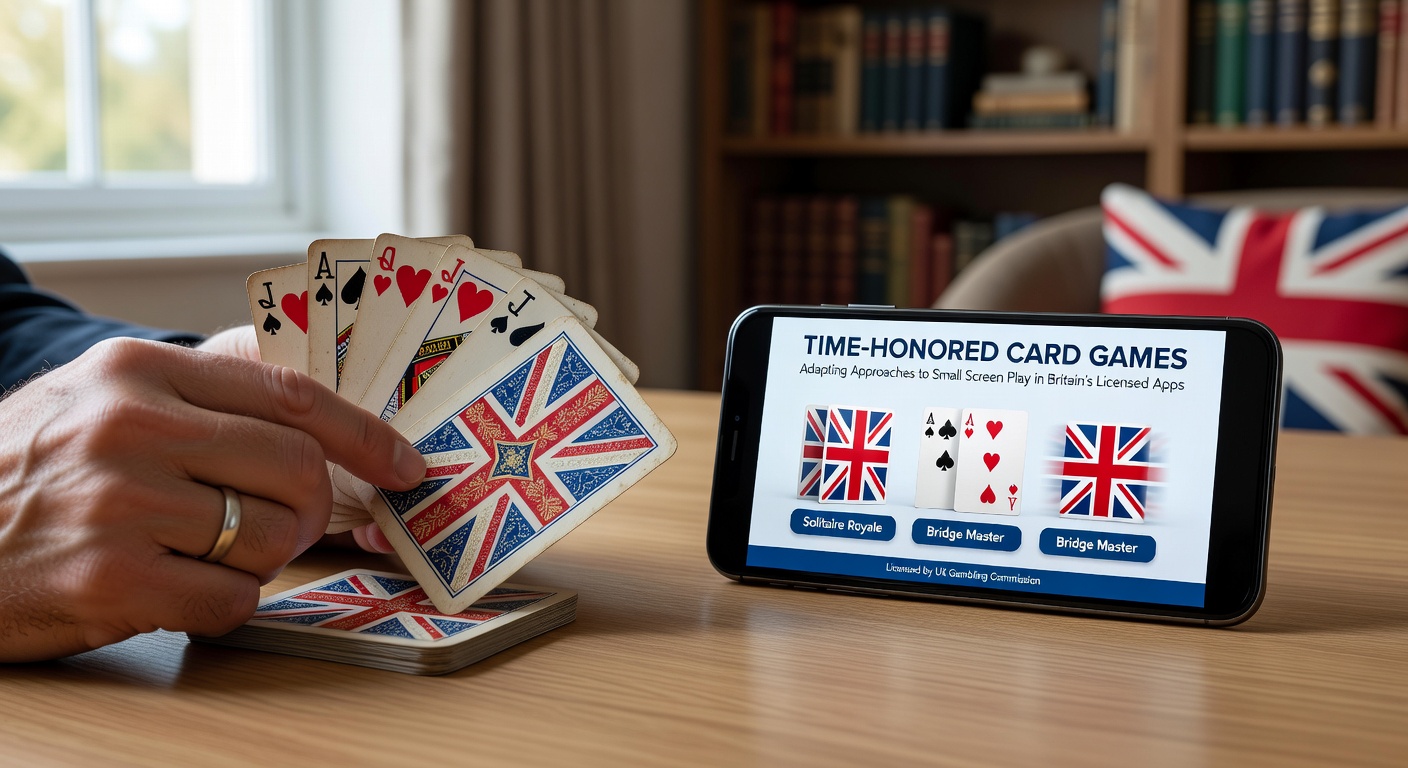
Britain's licensed mobile gaming platforms have integrated traditional card game tactics into compact interfaces since the expansion of regulated apps in the early 2020s. Players who once relied on physical cards and paper charts now navigate the same mathematical principles through touch controls and scaled visuals. Data from industry reports shows that blackjack and poker sessions on smartphones account for a growing share of table game activity, with developers adjusting layouts to preserve decision accuracy despite reduced screen space. Traditional approaches such as basic strategy charts for blackjack, probability calculations in poker, and progressive betting sequences require precise execution. On smaller displays these methods translate through simplified menus, auto-highlight features, and gesture-based inputs. Observers note that licensed operators maintain compliance by embedding regulatory safeguards while presenting options that mirror land-based equivalents. Research indicates that users who apply established card counting avoidance techniques or hand-ranking systems achieve comparable outcomes when the interface provides clear probability indicators.Core Principles Retained Across Formats
Time-honored card strategies emphasize expected value calculations, risk assessment, and pattern recognition developed over decades at physical tables. Britain's licensed apps preserve these elements by displaying real-time odds and payout structures that align with standards set by international gaming associations. A study from the University of Nevada's gaming research center highlights how digital renditions maintain house edge transparency, allowing players to reference the same decision trees once committed to memory or printed references.
Adaptations include pinch-to-zoom card views, swipe-to-place bet functions, and collapsible strategy panels that expand on demand. These features address the constraints of portrait and landscape orientations common on smartphones. Data collected through app analytics reveals that sessions incorporating guided prompts for even-money decisions extend average play duration without altering underlying probabilities.
Interface Adjustments for Decision Accuracy
Small screens limit simultaneous visibility of multiple cards and betting areas, prompting designers to prioritize sequential information presentation. Licensed applications employ layered displays where core hand details occupy primary space while secondary statistics appear in expandable side panels. Experts have observed that this structure supports adherence to classic approaches like selective doubling or splitting pairs, since users can review recommendations without losing context.
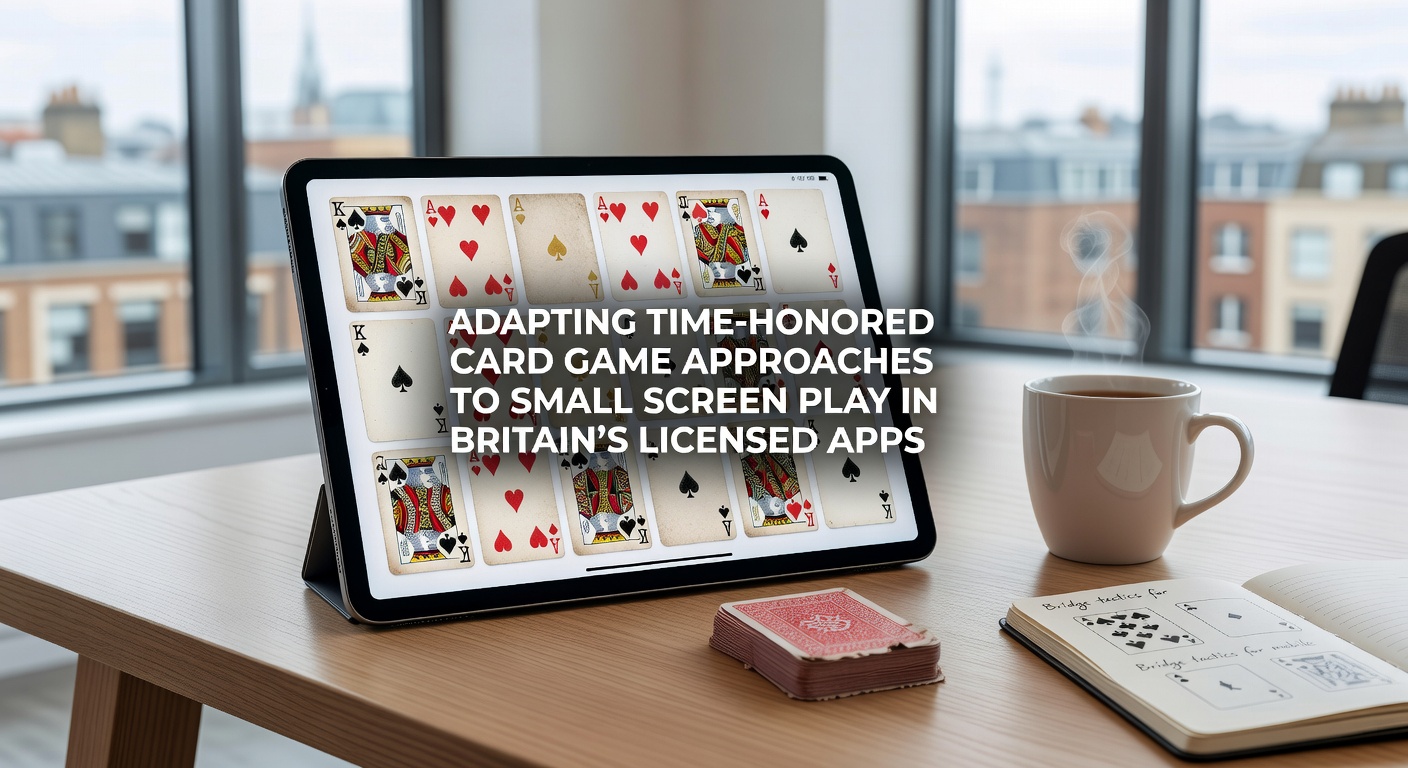
Touch accuracy becomes critical when players execute multi-step actions such as insurance bets or side wagers. Developers counter potential errors through confirmation dialogs and haptic feedback that confirms selections. Figures from European gaming technology conferences demonstrate that refined gesture libraries reduce mis-taps by measurable margins, preserving the integrity of systems once executed via chips and verbal declarations.
Regulatory Context and Player Tools in 2026
As of May 2026, several licensed platforms introduced enhanced accessibility modules that integrate historical strategy references directly into gameplay flows. These updates respond to player demand for continuity between traditional methods and mobile convenience. Canadian regulatory analyses of similar markets show parallel trends where compact interfaces incorporate responsible play reminders alongside tactical aids.
Operators continue to reference guidelines from bodies such as the Australian Communications and Media Authority when refining mobile features, ensuring that strategy adaptations remain within approved parameters. Players access historical data on hand frequencies through in-app archives, supporting informed adjustments to betting progressions without external resources.
Examples Across Card Variants
In blackjack adaptations, basic strategy indicators appear as optional overlays that highlight recommended actions based on dealer upcards. Poker variants embed pot odds calculators that update dynamically during betting rounds, mirroring calculations once performed mentally or with separate devices. Observers note that these tools maintain the mathematical foundation of approaches like selective aggression or position-based decisions while fitting within vertical scrolling layouts.
Case examples from app usage statistics illustrate how users transition between live dealer streams and simulated environments. Both formats present consistent rule sets, allowing established tactics to transfer directly. What's interesting is the way compact displays encourage shorter, focused sessions that still apply full strategic frameworks developed for extended table play.
Conclusion
Licensed British apps demonstrate that classic card game methodologies endure through thoughtful interface engineering rather than simplification. Players retain access to probability-driven choices, supported by visual and interactive refinements that accommodate smaller screens. Continued evolution in mobile technology sustains these connections between historical practices and contemporary regulated environments.