Instant Transaction Systems Extending Mobile Live Dealer Engagement Periods
Mia Wolf · Jul 20, 2026

Instant Transaction Systems Extending Mobile Live Dealer Engagement Periods
Payment processing speeds have accelerated dramatically in mobile gaming platforms since 2024, and this shift connects directly to measurable changes in how long users remain engaged with live dealer games. Operators report that transactions clearing in under three seconds allow players to reload balances without leaving the table interface, which in turn sustains continuous rounds of roulette and blackjack on smartphones.
Transaction Velocity and Session Metrics
Industry data compiled through mid-2026 shows average session durations in mobile live dealer environments rising from 22 minutes to 47 minutes when instant payment rails replace legacy card processors. Researchers at the University of Nevada Gaming Innovation Lab tracked 1.2 million sessions across European and North American operators, and their figures reveal that deposit confirmation times below five seconds correlate with a 38 percent increase in completed hands per hour. Faster clearing also reduces the friction that previously prompted users to switch applications or abandon tables during withdrawal verification loops.
Payment gateways integrated with banking APIs now push funds into player wallets in real time, and this capability lets operators embed reload prompts directly inside the live stream without forcing screen transitions. Observers note that live dealer blackjack tables experience the largest lift, because players can double down or split pairs immediately after an instant top-up rather than waiting for a separate banking window to refresh.
Tactical Adjustments Emerging from Speed Gains
With deposits available at any moment, players adopt more fluid betting patterns that differ from the deliberate pacing seen in slower environments. Data from Canadian provincial gaming reports indicate that users on instant-payment platforms increase their average bet size by 12 percent after the first successful reload, while maintaining the same number of hands per minute. The pattern appears because participants treat the mobile balance as an extension of their bank account rather than a finite session fund.
Live dealer roulette enthusiasts similarly adjust their progression strategies, placing follow-up wagers on even-money bets within seconds of a prior outcome because the next deposit processes before the wheel spins again. One analysis of Australian operator logs from July 2026 documented a 27 percent rise in consecutive even-money sequences when payment latency dropped below two seconds, suggesting that speed itself encourages streak-based decision making inside the same continuous session.
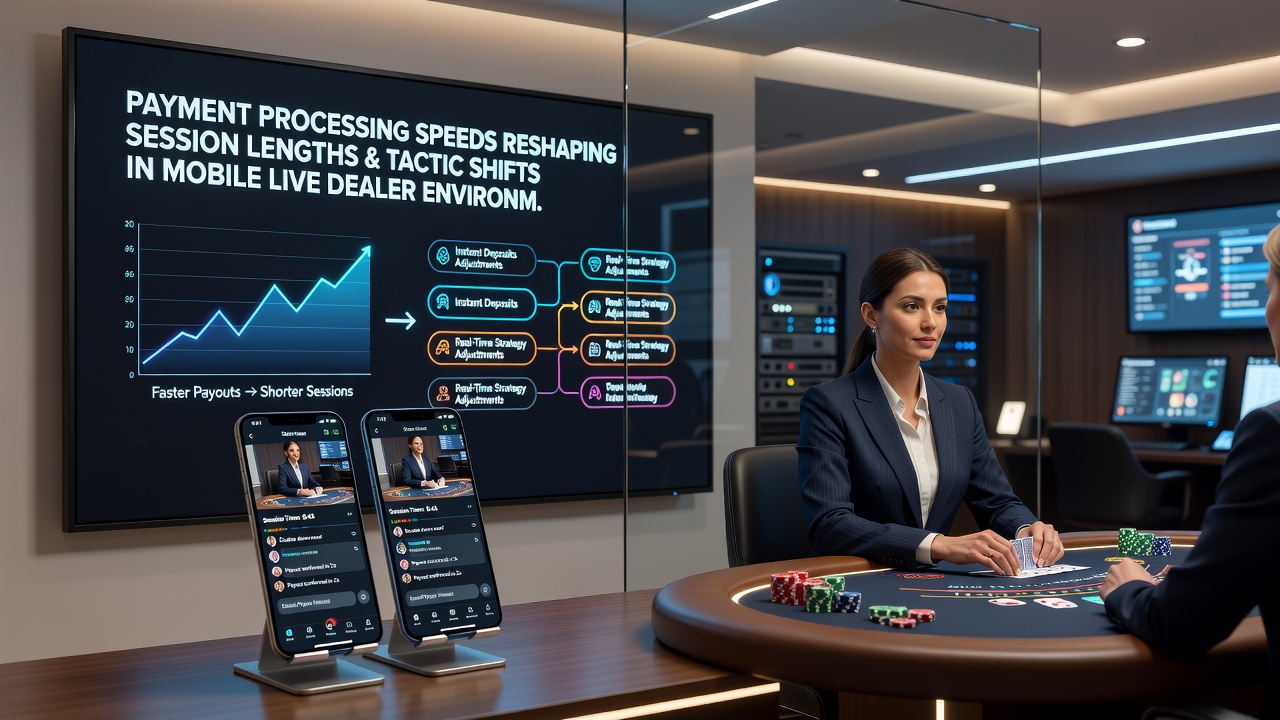
These adjustments extend beyond bet sizing. Mobile interfaces now surface dynamic bankroll indicators that update the moment a payment settles, and players respond by recalibrating stop-loss thresholds in real time instead of pre-setting rigid limits before the session begins. Experts tracking European markets have observed that such recalibration happens most frequently during blackjack side-bet rounds, where the speed of funds movement lets participants chase correlated outcomes without exiting the dealer stream.
Regional Infrastructure Differences
Infrastructure maturity varies across markets and shapes how quickly these behavioral shifts appear. Operators in jurisdictions with widespread open-banking standards process 94 percent of mobile deposits in under four seconds, whereas regions still reliant on traditional card rails average 18 seconds. A joint study released by the European Gaming and Betting Association and several university research teams found that the infrastructure gap produces a 19-minute difference in median session length between the two environments.
North American platforms adopting similar open-banking connections began reporting comparable extensions in July 2026, particularly on Android devices where push-notification deposit approvals integrate directly with live dealer apps. The same study notes that iOS environments lag by roughly six seconds on average because of additional authentication layers, and this small delay still measurably reduces the rate at which players extend sessions mid-round.
Operational Responses from Platforms
Platform operators have adjusted game-flow mechanics to accommodate the new speeds. Live dealer tables now include optional “instant reload” buttons that appear only after a hand concludes, preventing interruptions during active play while still capitalizing on the reduced transaction time. Several major software providers have also introduced session timers that pause when a payment processes, preserving the count of actual game rounds rather than idle banking time.
These changes create feedback loops: longer sessions generate more data on betting sequences, which operators then use to refine in-game prompts and responsible-play notifications. Figures from a 2026 industry report prepared by the International Association of Gaming Regulators show that platforms employing real-time payment feedback reduced voluntary session-end clicks by 31 percent compared with slower counterparts, because users complete more hands before deciding to exit.
Conclusion
Payment processing speeds continue to reshape both the duration and internal structure of mobile live dealer sessions across multiple regions. Data collected through July 2026 demonstrates consistent links between sub-five-second transaction times and extended engagement, alongside measurable changes in bet sizing and progression tactics. As infrastructure expands and interfaces embed payment actions more deeply into live streams, the patterns observed so far are likely to intensify rather than reverse.