Loyalty Mechanisms Reshaping Engagement Lengths in Regulated Digital Gaming Platforms
Viktor Beck · Aug 12, 2026
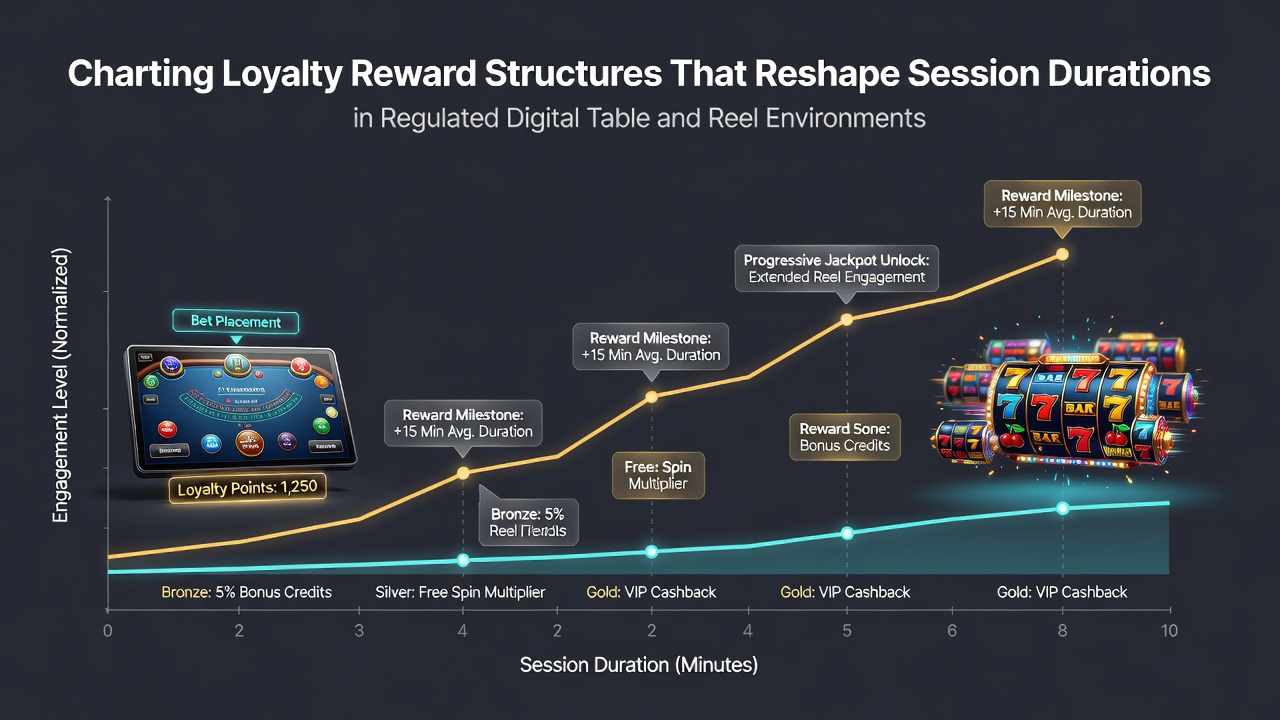
Loyalty Mechanisms Reshaping Engagement Lengths in Regulated Digital Gaming Platforms
Regulated digital platforms for table games and reel-based titles deploy structured loyalty frameworks that tie accumulated activity to tiered benefits, and these systems directly influence how long individual sessions last. Operators track player engagement through points earned from wagers and time spent, then convert those metrics into redeemable rewards such as bonus credits, free spins, or exclusive event access. Data from industry monitoring services shows that participants who reach mid-level tiers often extend average session durations by measurable margins compared with non-enrolled users.
Core Components of Tiered Reward Systems
Most frameworks operate on a points-per-bet model where each wager contributes to a running total that unlocks progressive status levels, and these levels grant escalating advantages that encourage continued participation. Cashback percentages rise with status, deposit matches appear more frequently, and personalized offers arrive via in-app notifications. Researchers tracking user behavior across multiple jurisdictions note that the visibility of progress bars and countdown timers to the next tier correlates with prolonged play intervals, because players adjust their pace to hit milestones before logging off.
Regulators in various regions require clear disclosure of how points convert to rewards, which means operators publish detailed matrices that list required activity thresholds alongside corresponding benefits. This transparency allows observers to map exact correlations between reward density and session extension patterns. In August 2026, updated compliance filings from several North American operators revealed that loyalty-linked session data now forms part of routine reporting, giving analysts fresh datasets to examine duration shifts across different game categories.
Observed Effects on Table and Reel Sessions
Live dealer table environments and automated reel titles respond differently to the same incentive structures. Table sessions tend to lengthen when rewards include dealer interaction perks or tournament entries, while reel play extends when free-spin allocations or multiplier boosts appear at higher tiers. Studies compiled by academic groups indicate that players who receive incremental rewards every thirty minutes maintain active connections longer than those on flat-rate systems, because the frequent feedback loop sustains engagement momentum.
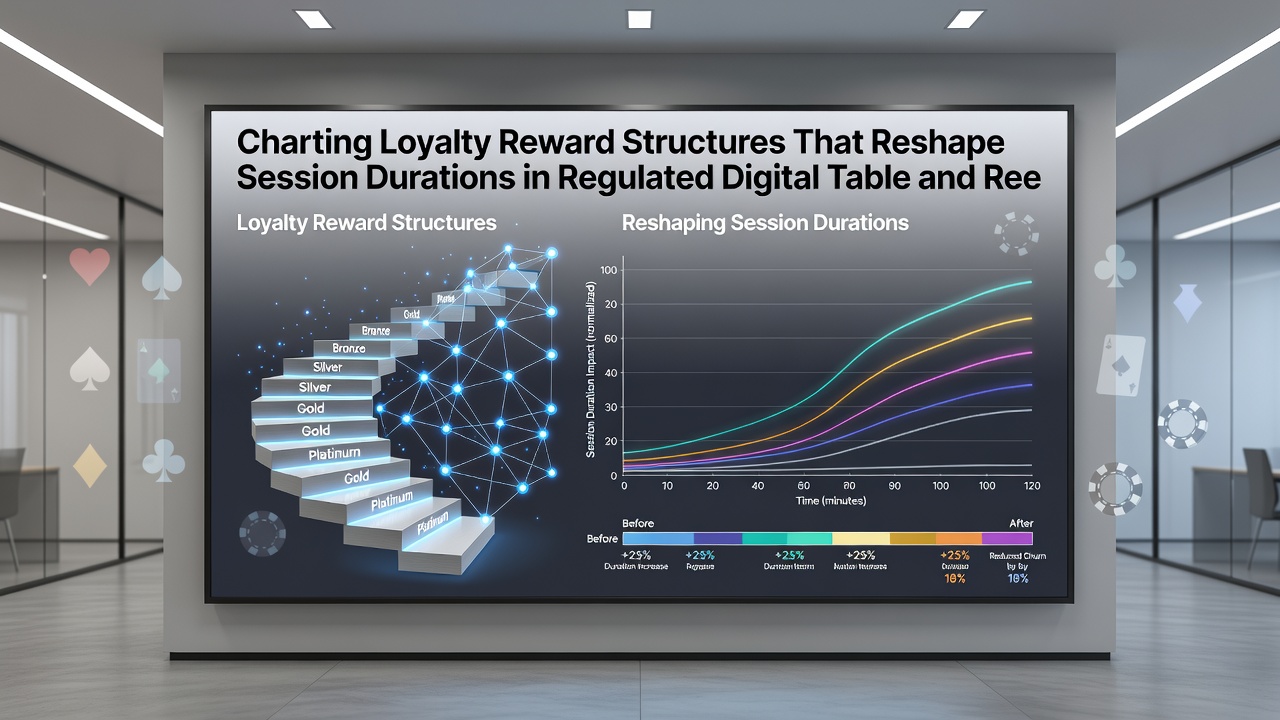
Platform telemetry also captures how mobile versus desktop interfaces interact with these programs. Mobile sessions show higher completion rates for daily login streaks, which compound into weekly bonuses that further stretch total time spent. Operators adjust push-notification timing to coincide with typical drop-off periods, and this tactic produces documented lifts in return rates within the same day.
Regional Regulatory Approaches and Data Sources
Authorities outside the United Kingdom apply distinct oversight models. The Nevada Gaming Control Board requires operators to submit loyalty program parameters for review, ensuring reward structures do not create undisclosed inducements. Australian state regulators collect aggregated session-length statistics that separate loyalty members from non-members, producing comparative figures that highlight duration differentials across reel and table categories. Canadian provincial commissions similarly mandate annual disclosures that quantify how reward redemption rates align with play-time metrics.
Industry associations compile these regional datasets into cross-border reports that researchers use to identify consistent patterns. One recurring observation involves the role of expiration dates on accumulated points: shorter windows accelerate play frequency, whereas longer windows allow more measured pacing yet still increase overall session counts over a calendar month.
Measurement Techniques and Analytical Tools
Operators employ session-tracking software that logs entry and exit timestamps alongside loyalty point accruals, creating granular timelines for each account. Analysts then segment these timelines by game type, device, and reward tier to isolate variables that most strongly predict extension. Machine-learning models process the resulting datasets to forecast how proposed changes to reward schedules might alter average durations, allowing operators to test scenarios before deployment.
Third-party audit firms verify that reported metrics match raw server logs, and these audits feed into broader compliance reviews. The resulting reports show that even small adjustments, such as adding a surprise bonus after ninety minutes of continuous play, produce statistically significant lifts in session length across both table and reel environments.
Conclusion
Loyalty reward structures in regulated digital table and reel settings function through clearly defined point accumulation and tier progression mechanisms that demonstrably influence session durations. Regional regulators collect and publish supporting data that enables ongoing analysis of these relationships, while operators refine program parameters using telemetry-derived insights. Continued monitoring through established reporting channels will track how future adjustments maintain alignment with regulatory requirements across multiple jurisdictions.