Mechanics of Tiered Loyalty Programs in Virtual Table Gaming Platforms
Gisela Jung · Aug 7, 2026
Mechanics of Tiered Loyalty Programs in Virtual Table Gaming Platforms
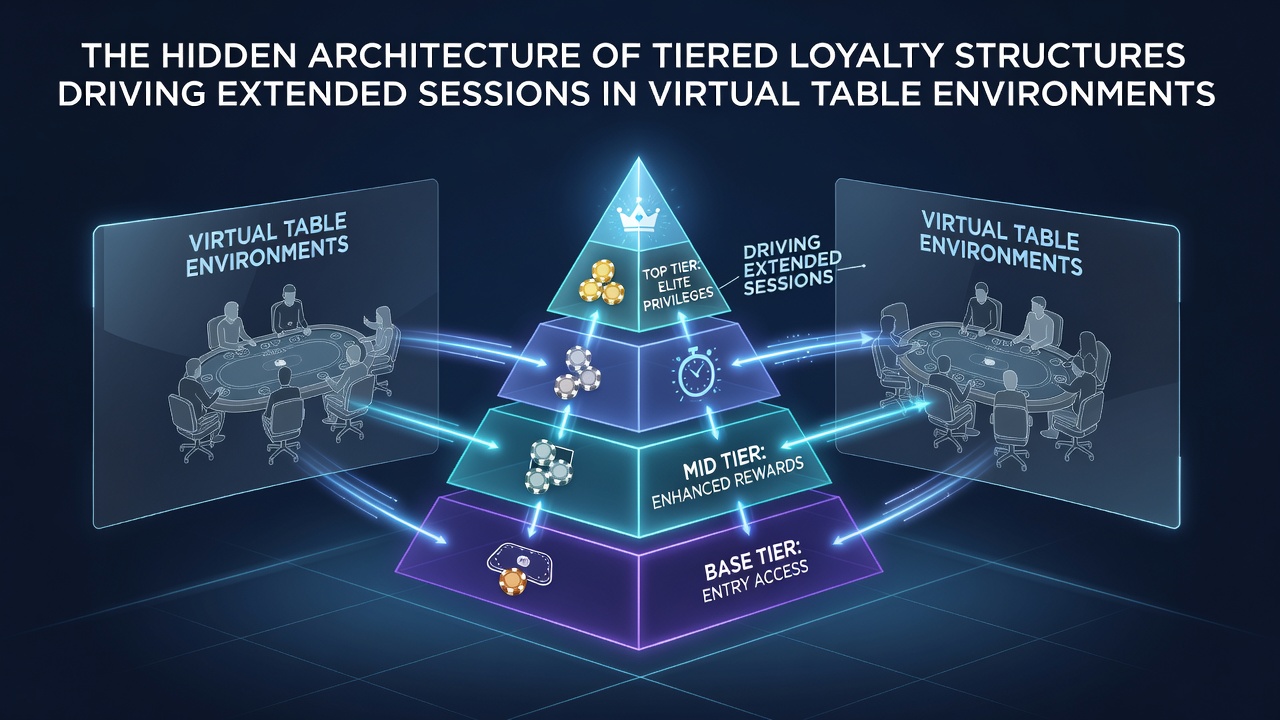
Virtual table environments such as online blackjack, roulette, and baccarat incorporate structured loyalty frameworks that organize player activity into progressive levels, and these systems track participation metrics to unlock successive reward stages. Operators design the frameworks around accumulated points earned through wagers, session duration, and game variety, which then determine access to benefits including enhanced cashback percentages, priority support channels, and exclusive tournament entries. Data from industry reports indicates that such tiered models correlate with measurable increases in average session lengths across multiple platforms.
Core Components of Tier Progression
Each tier requires specific thresholds of play volume, typically measured in real-money turnover or points accrued per month, and advancement unlocks automatically once criteria are met. Entry-level tiers grant basic perks like standard deposit matches, while mid-level tiers introduce multipliers on loyalty points and reduced wagering requirements on bonuses. Higher tiers add personalized account managers and invitations to live events, and analysts note that these cumulative advantages encourage repeated logins because players aim to maintain or climb status before monthly resets occur. Research from the American Gaming Association shows that structured progression paths appear in over 70 percent of major digital table offerings as of mid-2026.
Data Tracking and Algorithmic Triggers
Backend systems monitor real-time activity through integrated software that logs every bet placed at virtual tables, then apply weighting factors based on game type and stake size. Algorithms calculate projected lifetime value for each account and adjust promotional triggers accordingly, such as sending targeted offers when a player approaches the next tier threshold. In August 2026 several platforms introduced dynamic adjustment features that respond to session patterns detected during evening peak hours, and these updates rely on aggregated anonymized datasets rather than individual profiling alone. Observers note that the precision of these triggers helps sustain engagement without requiring constant manual intervention from operators.
Regional Regulatory Influences
Frameworks operate under varying oversight depending on jurisdiction, with Canadian provincial regulators requiring transparent disclosure of all tier criteria in player-facing terms, whereas Australian state authorities mandate regular audits of reward distribution fairness. A 2025 study published by Gambling Research Australia examined loyalty data across multiple sites and found that tiered structures produced consistent extensions in table game sessions when reward redemption windows aligned with monthly activity cycles. European operators meanwhile follow cross-border guidelines that limit the frequency of tier-specific communications, and this constraint shapes how programs present advancement opportunities to users.
Player Behavior Patterns and Retention Metrics
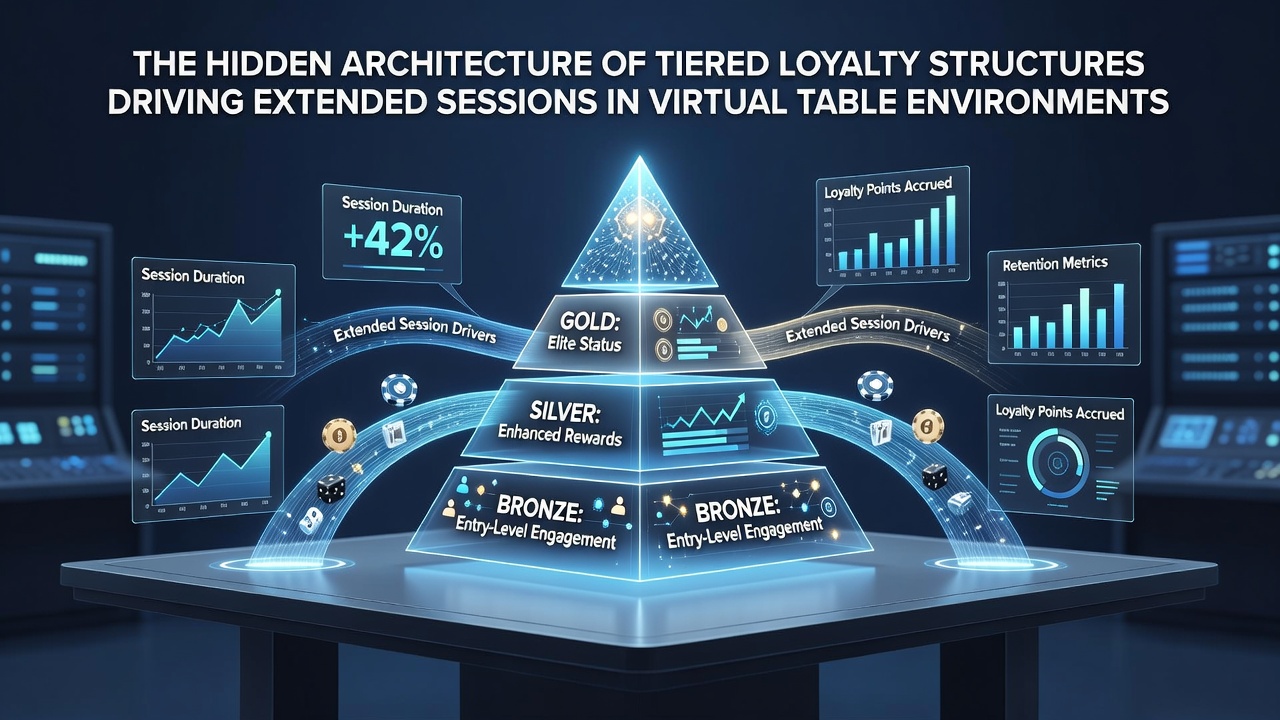
Studies compiled by the National Council on Problem Gambling indicate that participants who reach mid-tier status often extend individual sessions by 25 to 40 minutes on average compared with entry-level accounts, and this pattern holds across both desktop and mobile table interfaces. Retention figures improve further when programs incorporate time-limited challenges that award bonus points for consecutive daily logins, and operators report higher reactivation rates among dormant accounts once they receive tier-progress notifications. Those who track their own statistics through in-app dashboards frequently adjust betting patterns to optimize point accumulation, which in turn lengthens time spent at the tables.
Integration With Payment and Bonus Systems
Loyalty tiers frequently intersect with deposit methods and bonus mechanics so that higher-status players receive faster withdrawal processing and access to tier-exclusive reload offers. Points earned can convert into credits usable at virtual tables or into entries for progressive jackpot pools tied to specific games, and this linkage creates additional incentives for sustained play. Reports from the European Gaming and Betting Association highlight that seamless integration between loyalty ledgers and banking systems reduces friction during extended sessions, allowing players to remain in the environment without repeated external transactions.
Conclusion
Tiered loyalty structures in virtual table environments function through interconnected tracking systems, reward thresholds, and regulatory parameters that collectively shape session duration across global markets. Documentation from multiple oversight bodies and research institutions demonstrates measurable links between tier advancement and prolonged engagement, while ongoing platform updates continue to refine the underlying algorithms. The architecture remains visible through player dashboards and published terms, providing clear pathways for those who participate in these programs.