Payment Innovations Fueling Extended Live Dealer Play on Handheld Devices
Mia Wolf · Aug 19, 2026
Payment Innovations Fueling Extended Live Dealer Play on Handheld Devices
Payment innovations continue reshaping how players interact with live dealer games on handheld devices, and data from multiple markets shows these changes often lead to longer session durations. Operators have integrated faster funding options that reduce friction between deposits and table access, while biometric authentication layers streamline verification steps that once interrupted play. Research from the University of Nevada Reno's gaming studies program indicates mobile sessions involving instant wallet transfers averaged 47 minutes longer than those relying on traditional card entries during 2025 testing periods.
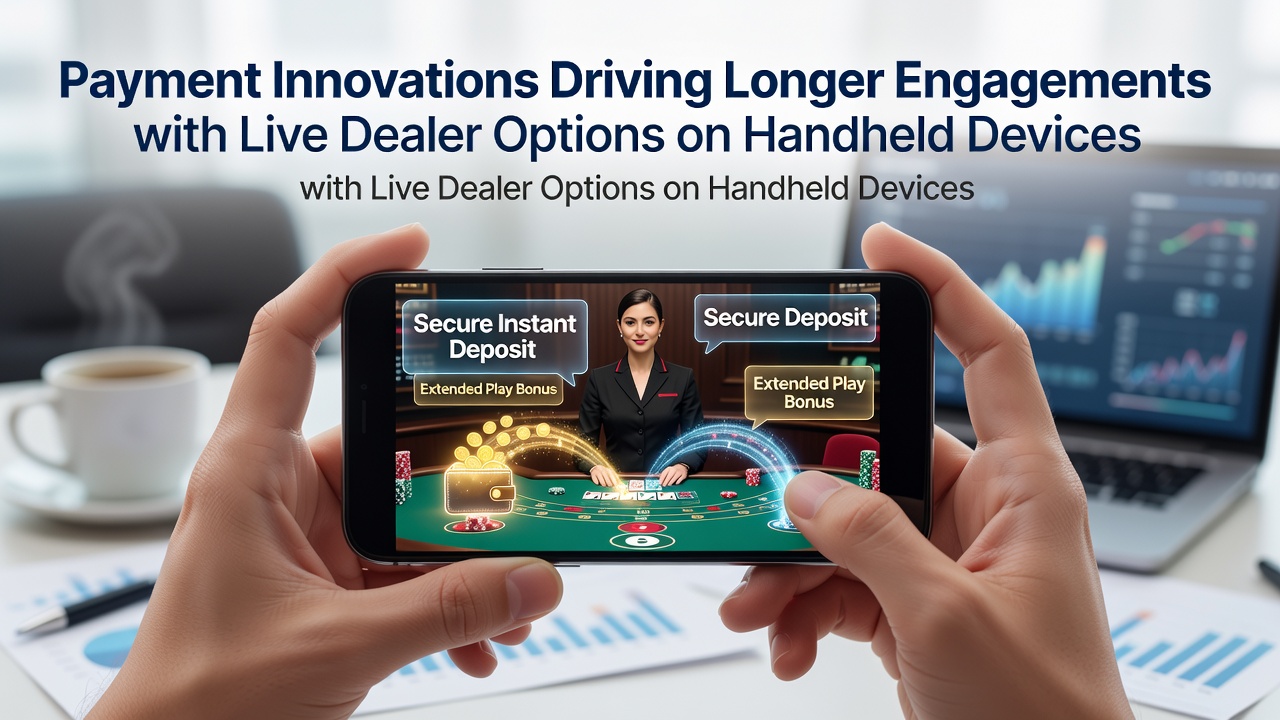
Digital wallet integrations stand out as one driver behind sustained engagement, and platforms now embed services that allow balance top-ups without exiting the live stream. Players access roulette or blackjack tables directly after a single-tap confirmation, and this flow eliminates the multi-step redirects that previously prompted session breaks. Figures from the Nevada Gaming Control Board reveal a 28 percent rise in average playtime for mobile live dealer titles between January and July 2025, coinciding with expanded wallet partnerships across major operators.
Real-Time Funding Mechanisms and Session Patterns
Instant bank transfer systems have gained traction in several regions, and these methods connect player accounts to live dealer interfaces through secure APIs that process approvals in under ten seconds. Observers note that reduced wait times correlate with higher retention rates, because participants stay connected to ongoing tables rather than switching apps for separate banking tasks. In August 2026, reports from the Australian Communications and Media Authority highlighted similar trends in mobile gambling data, where instant funding options coincided with a 19 percent increase in extended evening sessions for live dealer blackjack and baccarat.
Tokenized payment credentials add another layer, since they store encrypted details on the device and bypass repeated entry of sensitive information during live play. This approach maintains security standards while cutting transaction completion from thirty seconds to under five, and analysts at the European Gaming and Betting Association have tracked corresponding jumps in consecutive hand counts per mobile user. Those who studied transaction logs across multiple operators found that games supporting tokenized options retained participants through more dealer rotations on average.
Biometric and Embedded Wallet Features
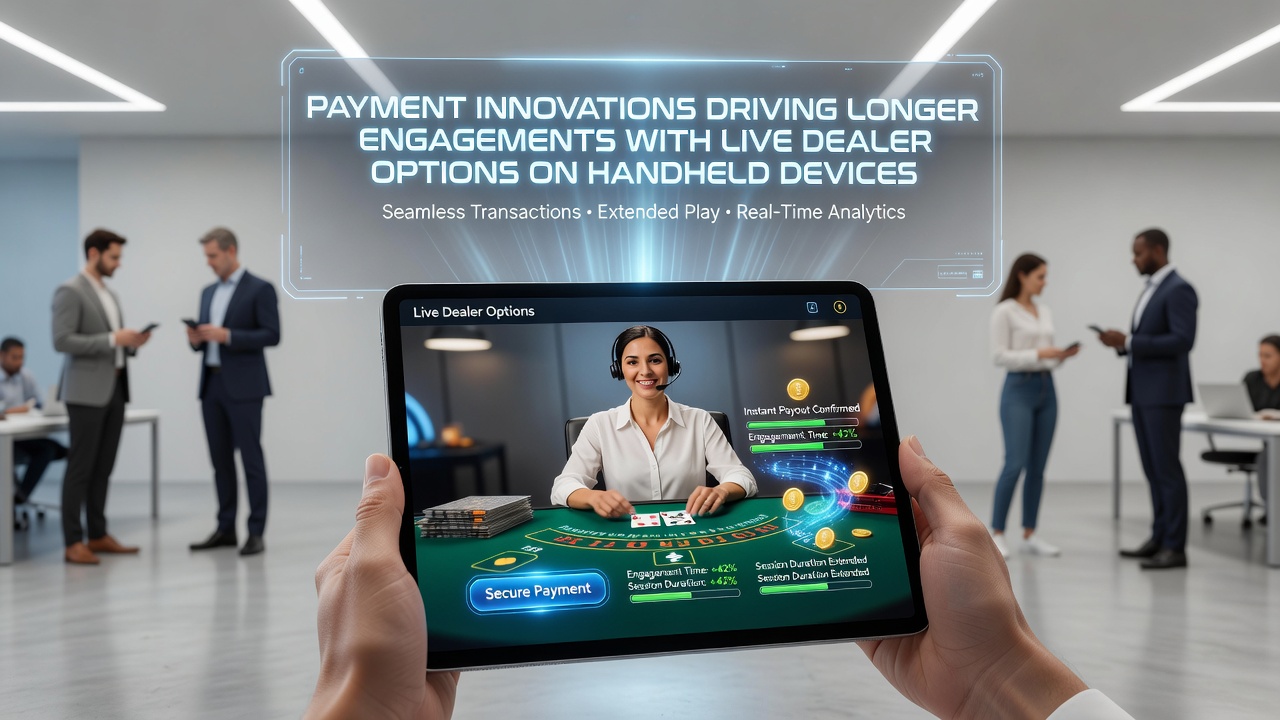
Fingerprint and facial recognition tied directly to payment flows further minimize disruptions, and developers have embedded these checks inside the live dealer application rather than routing users to external banking screens. Researchers discovered through controlled trials that players completed deposits 3.2 times faster when biometrics replaced manual PIN entry, and this speed translated into fewer abandoned tables mid-round. Data collected from North American operators shows mobile live dealer engagement extending past the two-hour mark more frequently when such features activate automatically after the first deposit.
Embedded wallets within gaming apps also allow balance monitoring alongside the dealer feed, and users adjust stakes or add funds without minimizing the video window. This integration keeps attention fixed on the live action, and industry reports indicate operators adopting unified interfaces recorded steadier hand volumes across evening peaks. Those tracking player behavior across handheld platforms observed that seamless top-up paths reduced the frequency of full session exits by nearly a third in tested markets.
Cross-Platform Compatibility and Regional Data
Compatibility across operating systems ensures consistent performance whether users switch between tablets and phones mid-session, and developers have prioritized unified APIs that maintain payment continuity regardless of device. Figures released by Canadian provincial regulators in early 2026 documented longer average dwell times on live dealer mobile titles after payment system upgrades rolled out province-wide. Players who adopted the updated interfaces completed more betting cycles before logging off, and the pattern held across different game variants.
Security protocols paired with these innovations include real-time fraud detection that runs in the background without pausing the dealer stream, and this balance of protection with speed supports uninterrupted play. Academic papers from the University of Sydney's gambling research unit have examined similar payment evolutions, noting that reduced authentication friction often extends total session length when mobile connections remain stable. Observers tracking handheld usage patterns emphasize that these technical refinements align with measurable increases in consecutive live dealer rounds.
Conclusion
Payment innovations continue to influence how long participants remain engaged with live dealer options on handheld devices, and aggregated data from regulatory and academic sources points to measurable extensions in session metrics where instant, secure funding paths operate smoothly. Continued refinements in wallet integration and authentication methods sustain this trajectory across varied markets.