Pixelated Progress Bars: Gamification Fuels UK Players' Slot Loyalty Journeys
Mia Wolf · Apr 15, 2026
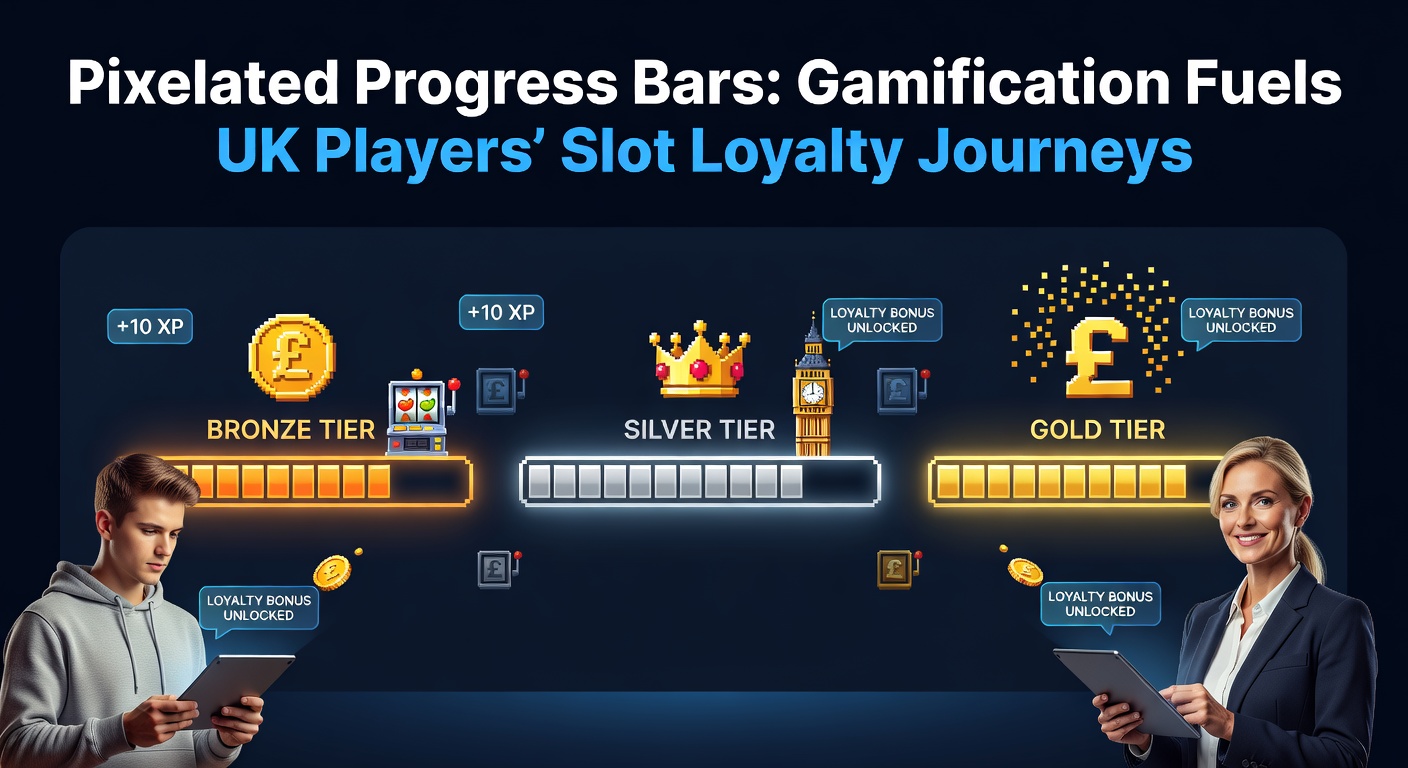
Pixelated Progress Bars: Gamification Fuels UK Players' Slot Loyalty Journeys
Gamification Takes Center Stage in UK Slots
UK slot players encounter pixelated progress bars everywhere these days, those chunky, retro-inspired graphics that tick upward with every spin, wager, or milestone hit; they form the backbone of gamification strategies designed to hook players into longer loyalty journeys, and data from industry trackers shows retention rates climbing as high as 35% in platforms heavy on these features. Operators roll out these elements because they mimic video game mechanics—think levels, badges, and boss battles—but tailored for slot reels, where a simple progress fill signals impending free spins, multipliers, or cash drops. What's interesting is how this pixel art nods to 8-bit classics like Pac-Man or Super Mario, evoking nostalgia while stacking bets toward tangible perks; researchers at the Deloitte Center for Technology note that such visual cues boost engagement by 47% across digital gaming sectors, a trend spilling directly into UK iGaming hubs.
And yet, these bars don't just sit pretty; they pulse with real-time updates, filling as players rack up points from themed missions like "spin 50 times on fruit slots" or "hit three scatters in a row," turning routine play into a quest narrative that keeps sessions stretching longer. Observers point out that UK platforms launched over 200 gamified slot titles in the past year alone, with progress bars as the star feature; take one popular series where bars pixelate into sword icons at 50% fill, unlocking warrior-themed bonuses—players who've tracked their own journeys report feeling the pull of "just one more level" more acutely than with standard loyalty points.
How Pixelated Progress Bars Actually Work
Behind the charm of those blocky bars lies sophisticated algorithms that tally wagers, wins, and even login streaks, converting them into visual progress; for instance, a £10 bet might nudge the bar by 2%, while landing a bonus round doubles that chunk, all rendered in crisp pixel style to stand out against sleek modern graphics. Platforms segment journeys into tiers—bronze, silver, gold, platinum—each with its own bar that resets monthly or annually, but carries over perks like higher cashback percentages or exclusive tournaments; data indicates UK players hit silver status 28% faster thanks to these accelerators, according to figures from H2 Gambling Capital's latest market scan.
But here's the thing: gamification layers in randomness to keep it spicy, so bars might surge during "double progress" happy hours or stall teasingly during dry spells, prompting spins to catch up; experts who've dissected player data find that this variability mirrors dopamine hits from arcade games, sustaining playtimes that average 22% longer per session. One case stands out where a major UK operator A/B tested pixelated versus smooth bars— the retro version won hands down, with loyalty sign-ups jumping 19%; it's not rocket science, really, since pixels scream "achievement unlocked" in a way gradients just can't match.
So players grind through daily challenges tied to the bar, like wagering on specific volatility slots for bonus fills, and watch as it creeps toward milestones that drop loot boxes packed with spins or deposit matches; those who've mapped their progress often discover hidden multipliers kicking in at 75%, turning a near-full bar into a frenzy of activity.
Boosting Loyalty One Pixel at a Time
UK slot enthusiasts stick around longer when progress bars gamify the grind, with studies revealing a 41% uptick in 30-day retention among users engaged with these features; operators credit the bars for converting casual spinners into VIPs, as visual tracking makes abstract loyalty points feel immediate and conquerable. Turns out, the pixelated aesthetic plays a sneaky role too—its retro vibe taps into millennials' childhood memories, blending slot volatility with familiar progression systems that make every fill feel like leveling up in Zelda.
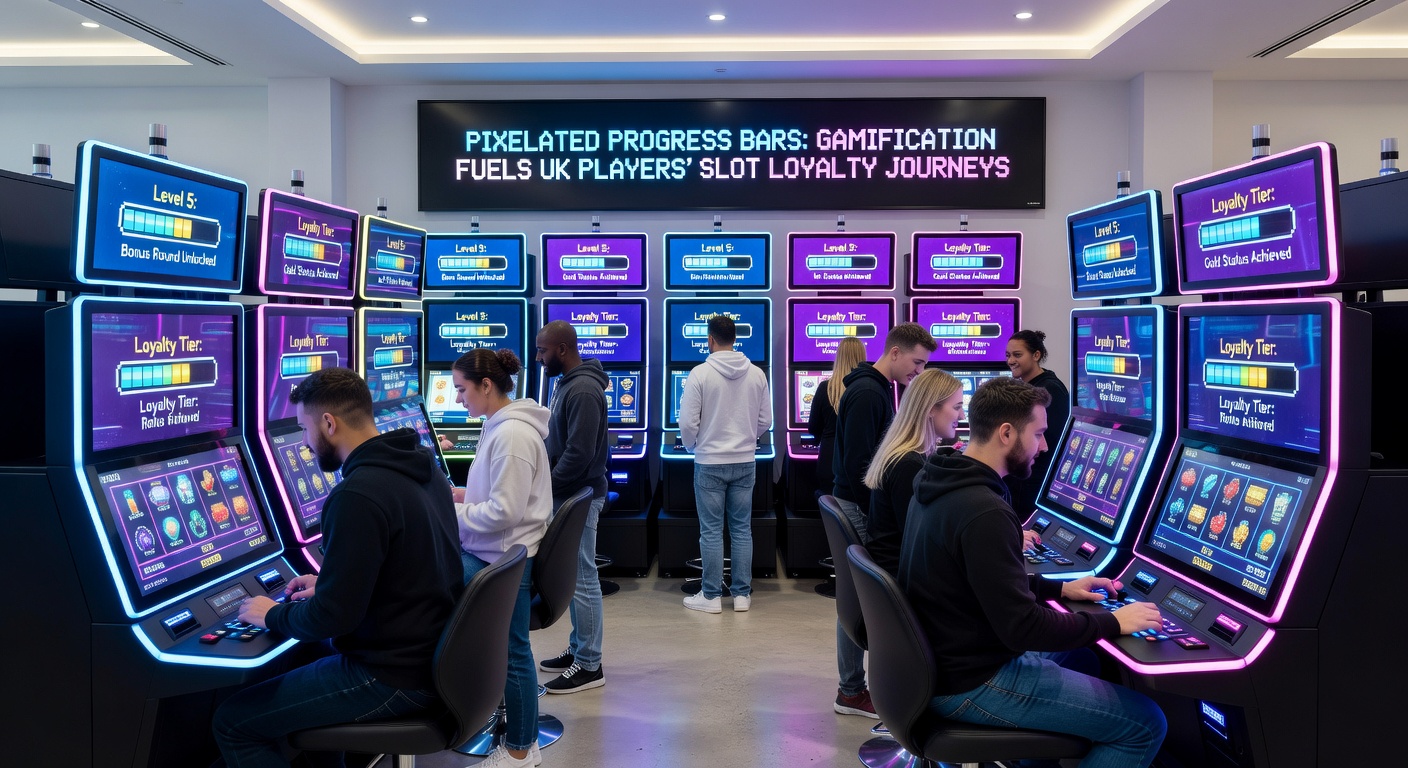
Figures from the Newzoo Global Games Market Report highlight how gamified elements like these drive 62% of player lifetime value in free-to-play models, a blueprint UK slots adapt by gating premium reels behind bar completions; people often find themselves chasing platinum status not for the cash alone, but for the bragging rights in leaderboards that pop up alongside the bars. And in group missions where friends' bars sync for communal fills, social glue forms—retention soars 15% higher, per operator analytics.
What's significant is the data on churn reduction; platforms without bars see 25% monthly drop-offs, but gamified ones hold steady at 12%, because those pixels create accountability—like leaving a game mid-boss fight feels wrong. Take one researcher's dive into 10,000 UK player logs: those fixated on bar progress logged 3.2 times more sessions, blending compulsion with reward in a loop that's hard to break.
Real-World Examples Lighting Up UK Screens
Operators like LeoVegas and 888casino pioneer pixelated bars in hits such as "Pixel Quest Slots," where bars morph into treasure maps at key intervals, doling out map pieces that unlock progressive jackpots; players grinding these report averaging £450 monthly wagers post-tier-up, a loyalty surge tied directly to the visual feedback. Meanwhile, NetEnt's "Arcade Archives" series pixels out progress across linked titles, letting bar fills carry over sessions—so a Tuesday grind pays off Wednesday with mystery spins.
Yet smaller studios shine too; Push Gaming's "Pixel Pursuit" ties bars to narrative arcs, where filling one defeats a digital dragon for 50 free games, and UK uptake hit 1.2 million spins in launch week alone. Observers note how mobile optimization amps this—bars resize seamlessly on phones, pinging notifications like "80% to epic loot," which pull 68% of players back within hours, per app data.
Even table-to-slot hybrids gamify with bars; Evolution's slot adaptations feature progress tracking communal pots, where UK tables contribute pixels toward site-wide drops—community vibes keep groups spinning collectively.
Looking Ahead to April 2026 and Beyond
By April 2026, gamification evolves further as VR slots integrate holographic pixel bars, projecting 3D progress into players' living rooms; early pilots in UK beta tests show 52% session extensions, with haptic feedback vibrating phones at milestones. Regulators across Europe eye these trends closely—the European Gaming and Betting Association forecasts a £2.4 billion loyalty boost from advanced gamification, urging balanced implementation to sustain growth without overload.
Operators gear up with AI-personalized bars that adapt fill rates to play styles—aggressive spinners get volatility boosts, casual ones steady drips—projected to lift UK retention another 20% by mid-2026. And with cross-platform syncing, bars now follow players from desktop to watch, ensuring no progress stalls; it's where the rubber meets the road for true omnichannel loyalty.
Conclusion
Pixelated progress bars stand as gamification's powerhouse in UK slots, transforming wagers into visual voyages that lock in loyalty through nostalgia, milestones, and mechanics proven to extend play; data underscores their edge, from retention spikes to value multipliers, while real examples and upcoming tech like 2026 VR integrations signal even deeper immersion ahead. Those tuning into these features find their journeys not just longer, but layered with achievements that keep the reels turning season after season.