Regulatory Landscapes Shaping Live Dealer Availability in Mobile App Platforms
Viktor Beck · Jul 29, 2026
Regulatory Landscapes Shaping Live Dealer Availability in Mobile App Platforms
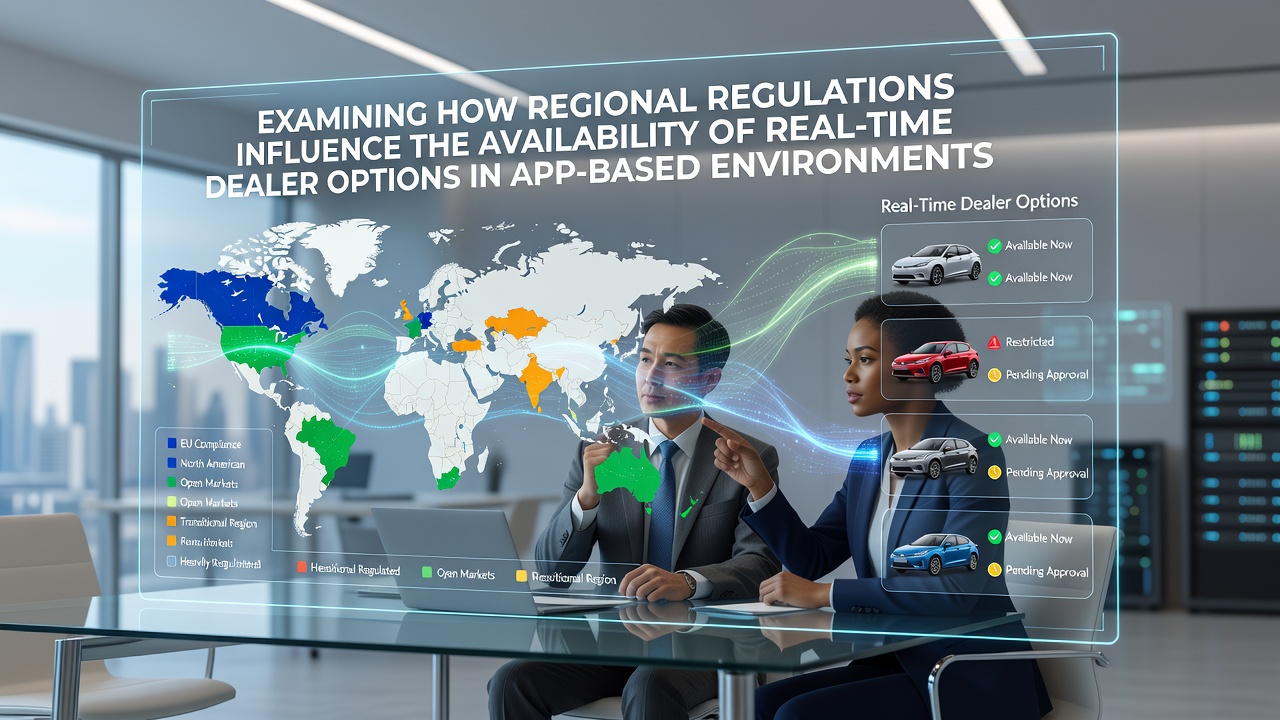
Regional regulations continue to determine which live dealer options reach players through app-based platforms, with licensing requirements, server location rules, and content approval processes varying sharply across jurisdictions. Data from industry reports show that operators must secure specific approvals before offering real-time dealer games, and these approvals often hinge on where the app operates and where the game servers sit. In several markets, regulators mandate that live streams originate from licensed studios within their borders, which restricts availability when apps attempt to serve multiple regions from a single backend.
Licensing Frameworks Across Key Markets
North American states each maintain distinct standards that affect whether real-time dealer blackjack or roulette appears in local apps. Nevada and New Jersey require full operator licenses plus studio certifications, while other states maintain outright prohibitions that prevent any live dealer content from loading. European countries apply their own layers of oversight, with some nations insisting on physical presence for dealers and others accepting remote feeds under strict data-protection rules. Observers note that these differences force developers to maintain separate app versions or geo-block features based on user location.
Asia-Pacific regulators add further complexity through rules on foreign-owned servers and language requirements for dealer interactions. Certain jurisdictions demand that all game data remain on domestic infrastructure, which raises costs and delays rollout for apps seeking broad distribution. Research indicates that operators often delay live dealer launches in new markets until they complete compliance audits that can span several months.
Technical and Operational Constraints
App stores enforce their own policies that intersect with government rules, requiring developers to demonstrate adherence to local gambling laws before listing updates that include live dealer sections. This creates situations where an app available in one country offers full real-time tables while the same app in a neighboring region shows only automated games. Network latency rules also appear in some regulations, compelling providers to locate studios close to target users or accept reduced functionality.

Payment integration adds another filter, since certain regions restrict which processors can handle funds tied to live dealer sessions. Operators respond by segmenting features so that users in restricted areas never see the live dealer tab even if the base app remains accessible. Those who have studied implementation patterns report that these workarounds become standard practice once a platform expands beyond its initial regulatory footprint.
Upcoming Changes and Industry Adjustments
Regulatory updates scheduled for July 2026 in several European markets are expected to introduce unified standards for remote gaming studios, potentially easing cross-border live dealer distribution for compliant operators. At the same time, proposed North American frameworks aim to standardize age-verification protocols that could streamline or further complicate app approvals depending on how states align. Industry associations have documented how similar past shifts altered the number of live tables available to players within months of implementation.
Operators monitor these developments through ongoing consultations with regulatory bodies in multiple regions, adjusting studio locations and software architecture accordingly. Figures reveal that platforms investing early in modular compliance systems experience faster feature rollouts once new rules take effect.
Conclusion
Regional regulations continue to set the boundaries for real-time dealer options in app environments, influencing everything from studio placement to feature visibility. As frameworks evolve, operators and developers maintain separate compliance tracks to match each jurisdiction's requirements while keeping core app functionality intact across borders.