Reward Cycles and Player Retention in Britain's Mobile Casino Sector
Gisela Jung · Sep 28, 2026
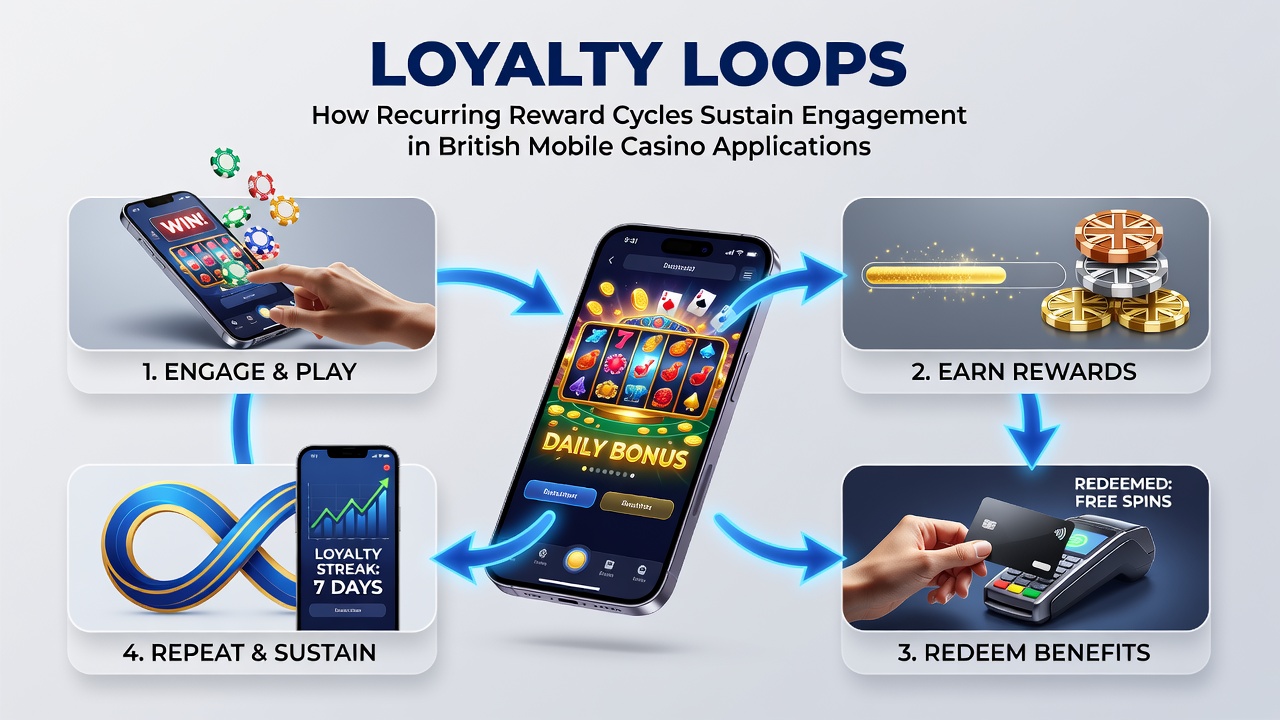
Reward Cycles and Player Retention in Britain's Mobile Casino Sector
Recurring reward structures form a core element in many British mobile casino applications where players receive incremental benefits tied to repeated logins and activity patterns. These systems operate through points accumulation, tier progression, adn periodic bonuses that reset on fixed schedules, creating predictable cycles that align with user routines. Data from industry reports shows participation rates climbing when apps deliver daily login streaks alongside weekly challenges that unlock additional spins or credits.
Mechanics of Reward Recurrence
Operators design these loops around measurable behaviors such as session length, deposit frequency, and game variety. Players accumulate loyalty points during play that convert into tier status, unlocking higher cashback percentages or exclusive event access. Research indicates that apps incorporating both short-term daily rewards and longer monthly milestones see sustained daily active users over several quarters. The structure relies on clear progress bars and notifications that remind users of nearing thresholds, encouraging return visits without external prompts.
One study from the University of Nevada, Las Vegas tracked similar systems and found that reward predictability correlates with extended engagement periods across mobile platforms. British applications often layer these elements with personalized offers based on past play history, adjusting bonus values to match individual spending patterns while staying within operator-defined parameters.
Integration with Mobile Technology
Smartphone features enhance these cycles through push notifications and in-app calendars that highlight upcoming resets. Developers integrate geolocation data in some cases to trigger location-specific bonuses during travel or routine commutes, though compliance with regional standards limits broader rollout. Figures reveal that apps using seamless payment integrations report higher completion rates for reward challenges because friction in funding accounts drops significantly.
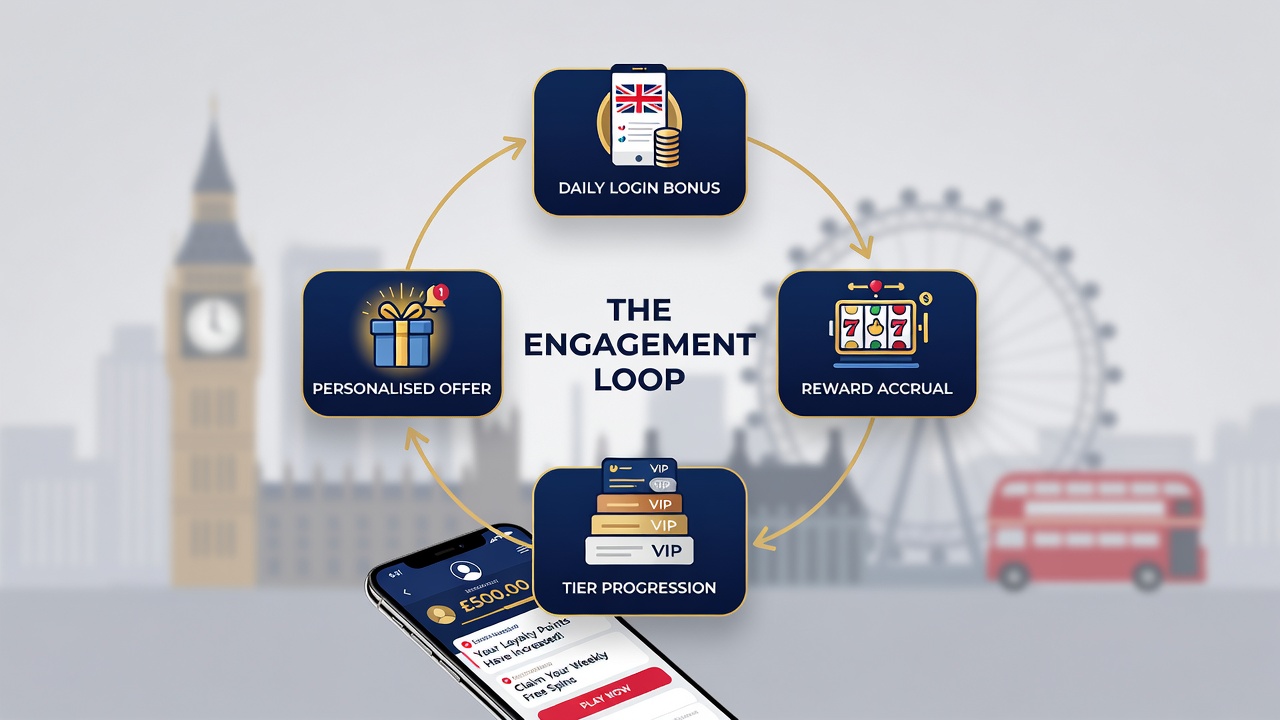
September 2026 brought updates to several app interfaces that streamlined reward tracking with simplified dashboards, allowing users to view cycle progress across multiple games in one screen. This change coincided with broader adoption of biometric login methods that reduced session start times and supported more frequent short engagements.
Player Behavior Patterns
Observers note distinct patterns where users cluster activity around reward reset times, such as midnight or week starts, to maximize streak multipliers. Those who've studied retention metrics across European markets report that combined reward types, including both monetary and non-monetary prizes like tournament entries, produce steadier participation than single-category systems. Take one analysis covering multiple operators where daily reward claimants showed 40 percent longer average session durations compared to non-participants over a six-month window.
According to data compiled by the European Gaming and Betting Association, recurring incentive models contribute to measurable lifts in cross-game exploration as players chase varied point-earning opportunities. The cycles also incorporate cooling periods in some designs, spacing larger rewards to prevent rapid exhaustion of bonus funds while maintaining anticipation.
Comparative Data Across Regions
Similar frameworks appear in Canadian and Australian markets where regulatory environments differ yet yield comparable engagement metrics. A report issued by the National Center for Responsible Gaming highlighted how tiered loyalty programs in mobile formats sustain activity levels when paired with transparent terms on point expiration and redemption values. British implementations follow parallel structures but adapt to local preferences around game selection and bonus presentation styles.
What's interesting is how these loops interact with seasonal events, such as holiday-themed challenges that overlay standard cycles and temporarily boost participation spikes. Data shows these temporary layers often convert into longer-term habits once the event concludes.
Conclusion
The architecture of recurring rewards continues to evolve with app updates that refine notification timing and reward granularity. Evidence from multiple markets demonstrates that well-calibrated cycles maintain user presence across extended periods through consistent, achievable milestones. As mobile platforms advance, these mechanisms remain central to how operators structure ongoing interaction in British casino applications.