Touchscreen Dynamics Shift Betting Rhythms Across Licensed Mobile Blackjack Platforms
Elena Walter · Jun 1, 2026
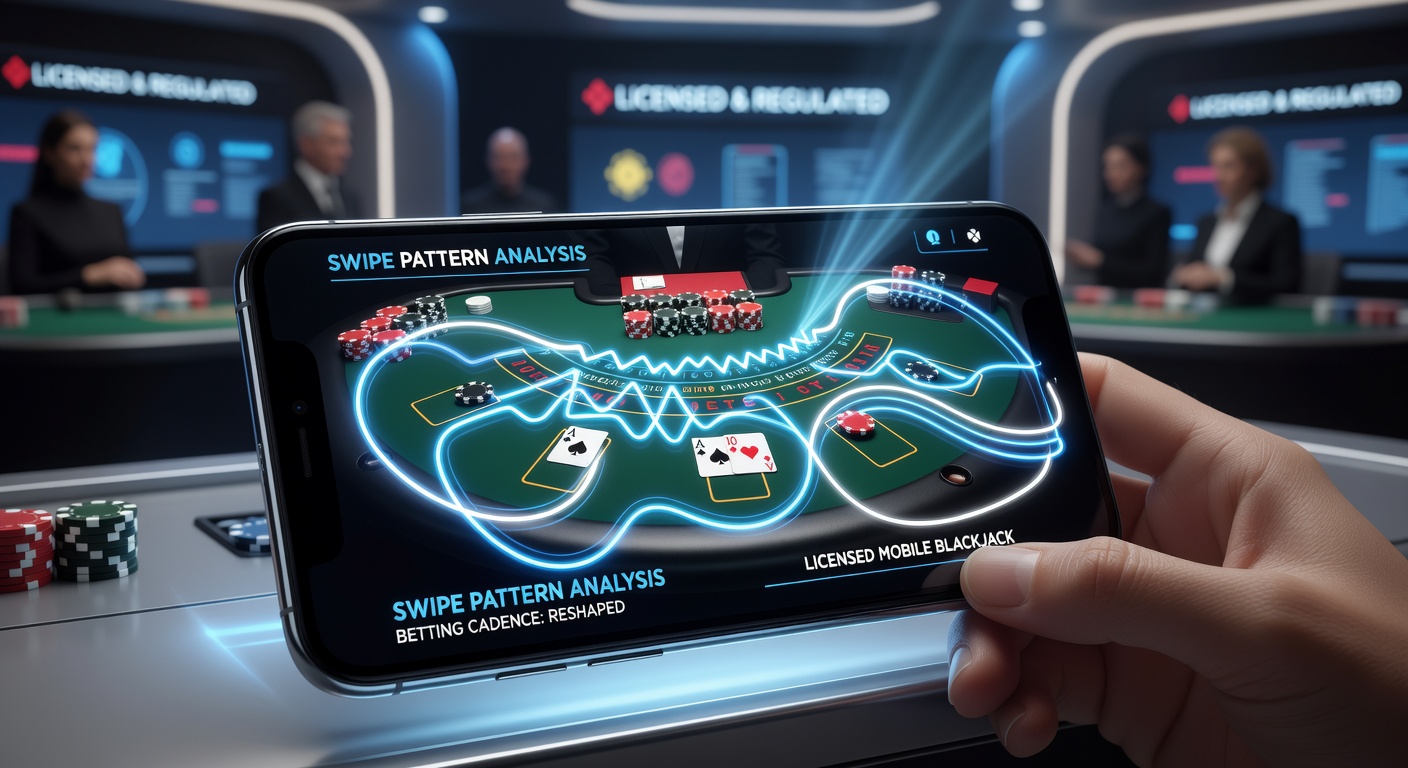
Touchscreen Dynamics Shift Betting Rhythms Across Licensed Mobile Blackjack Platforms
Touchscreen swipe patterns now form a core layer of behavioral data collection in licensed mobile blackjack applications, where gesture speed and direction directly influence the timing between successive wagers. Developers embed sensors that record swipe velocity and angle, then correlate those measurements with bet size adjustments and decision speed during live rounds. Licensed operators in multiple jurisdictions use this information to adjust interface responsiveness while maintaining compliance with technical standards set by regional regulators.
Gesture Tracking Technology in Blackjack Apps
Modern licensed platforms integrate accelerometer and touch-layer APIs that capture swipe trajectories in real time, allowing systems to distinguish between quick horizontal flicks that raise stakes and slower vertical drags that confirm stand decisions. Data logs from these sensors feed into backend analytics engines that map gesture clusters to player tempo, revealing how certain swipe sequences compress or extend the interval between hands. Researchers at several academic institutions have documented consistent correlations between swipe acceleration and bet escalation rates across thousands of sessions recorded in controlled app environments.
One study published in the Journal of Gambling Studies examined swipe data from over 12,000 anonymized sessions and found that players who executed rapid right-to-left swipes increased average bet amounts by 18 percent within three consecutive hands. The same analysis showed that deliberate, multi-finger swipes often preceded longer pauses, during which players reviewed card histories before committing to the next wager. These patterns emerge consistently across devices running both iOS and Android operating systems in regulated markets.
Impact on Betting Cadence and Session Flow
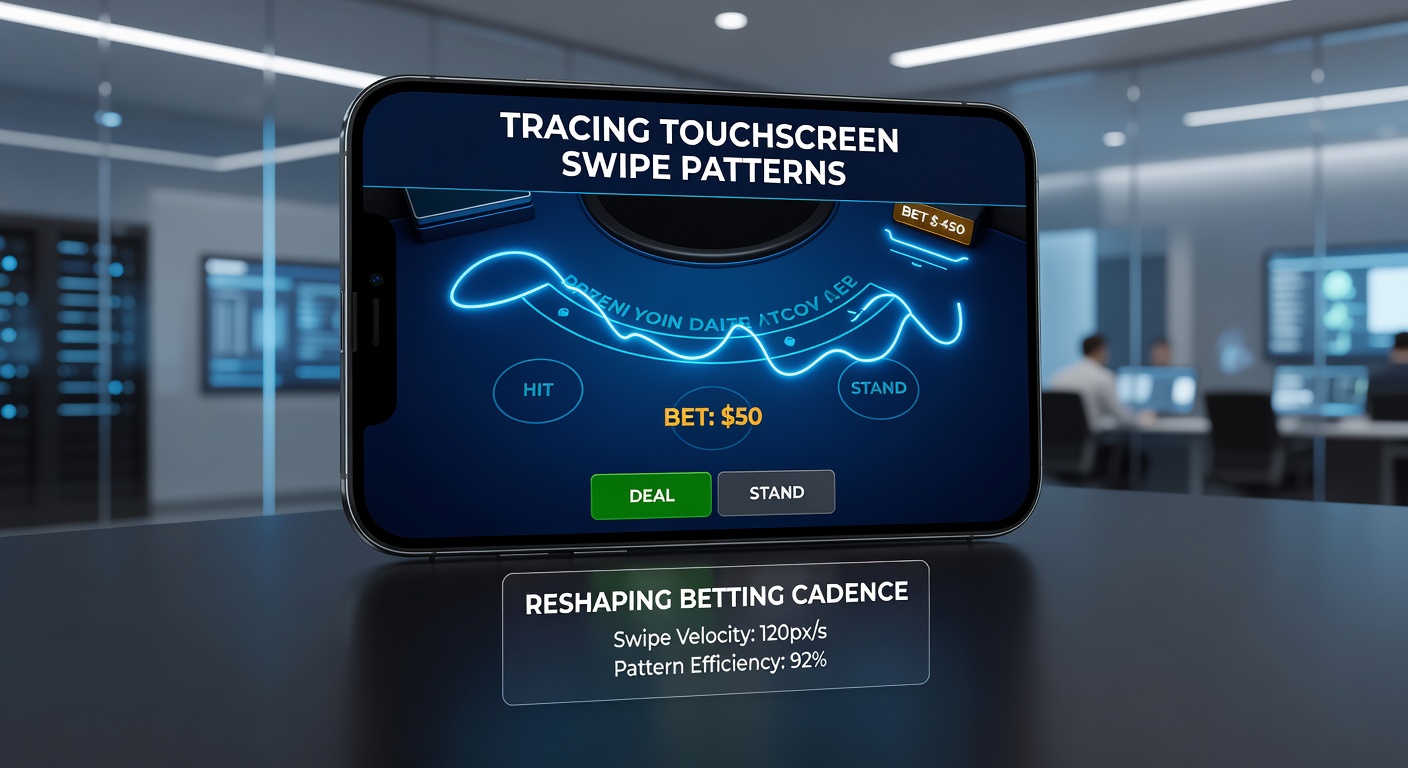
Betting cadence refers to the measurable rhythm of wager placement, and swipe analytics demonstrate that gesture style alters this rhythm in predictable ways. Quick diagonal swipes tend to shorten decision windows, pushing players toward faster rounds while the interface registers continuous input. In contrast, users who favor slower circular swipes generate extended intervals between bets, which operators note through timestamped event logs. These differences affect total hands played per hour and influence how game servers allocate processing resources during peak periods.
In June 2026 several platform updates introduced adaptive swipe sensitivity settings that respond to detected gesture profiles, automatically moderating animation speeds to match observed player tempo. Operators report that such adjustments maintain consistent frame rates across varying connection qualities without altering payout mechanics or house edge parameters. Regulatory frameworks in Ontario and several Australian states require that any interface modification preserve fair play standards, so these gesture-based tweaks undergo third-party testing before deployment.
Regulatory and Industry Data Sources
According to reports from iGaming Ontario, mobile blackjack applications must log all user interaction events including touch coordinates and timing intervals for audit purposes. These requirements ensure that swipe-derived adjustments remain transparent to oversight bodies and do not introduce unintended advantages. Similar technical standards apply in other licensed regions where operators submit gesture data summaries as part of periodic compliance filings.
Industry associations such as the European Gaming and Betting Association have published guidelines encouraging operators to separate gesture analytics from marketing databases, limiting use to interface optimization only. Observers note that this separation helps maintain player privacy while still allowing developers to refine swipe recognition algorithms that reduce accidental bet changes during active play.
Case Examples from Licensed Markets
Take one operator in the Ontario market that implemented swipe-velocity thresholds in early 2026, after which internal metrics showed a measurable reduction in mis-tapped bets during high-speed rounds. Another example comes from a platform serving Australian users that adjusted swipe confirmation zones following analysis of multi-touch patterns, resulting in fewer interrupted hands without changing underlying game rules. Data from these implementations circulates through industry conferences where developers share anonymized aggregate findings rather than individual player records.
Academic teams continue to examine how swipe directionality correlates with risk-taking sequences in blackjack, with preliminary results presented at the 2025 International Conference on Gambling and Risk Taking. Those findings indicate that left-to-right swipes frequently align with conservative bet sizing, whereas upward flicks often precede larger wagers, patterns that hold across different age cohorts in the sampled datasets.
Conclusion
Swipe pattern analysis has become an established component of technical infrastructure supporting licensed mobile blackjack, where gesture data informs interface adjustments that influence betting cadence. Regulatory bodies in multiple jurisdictions oversee these systems to ensure continued fairness and data protection, while operators apply the insights to refine user experience within established compliance boundaries. Continued monitoring and third-party validation keep these developments aligned with existing technical standards across evolving mobile platforms.