Transaction Security Patterns in Smartphone Table Game Play Within Regulated British Markets
Otto Wagner · Jul 15, 2026

Transaction Security Patterns in Smartphone Table Game Play Within Regulated British Markets
Smartphone table game sessions in regulated British markets have drawn attention from security analysts who track how transactions move through encrypted channels during live blackjack and roulette play, and these patterns reveal consistent use of tokenisation alongside device-bound authentication that operators apply across sessions lasting from minutes to several hours.
Payment flows in these environments typically route through digital wallets and bank transfers that incorporate real-time verification steps, while data from multiple operator reports shows that session starts between 6 pm and 10 pm often coincide with elevated encryption handshakes that prevent interception attempts.
Observed Authentication Layers in Mobile Table Sessions
Operators deploy multi-factor checks that combine biometric prompts with one-time codes sent to linked devices, and researchers tracking these flows note that such steps occur at deposit, withdrawal, and mid-session top-up points without interrupting gameplay flow for most users. Studies from the European Union Agency for Cybersecurity have documented similar layered approaches across mobile gaming platforms, where token replacement reduces exposure of actual card details during repeated table game rounds.
Session data collected over extended periods indicates that failed authentication attempts cluster around peak evening hours, yet successful recoveries through secondary verification maintain continuity in over 92 percent of cases according to aggregated operator metrics. This pattern holds steady whether players engage in quick single-hand sessions or extended roulette sequences that span multiple hours.
Encryption and Fraud Detection Trends Across Regulated Operators
End-to-end encryption standards applied to transaction payloads show uniformity among licensed providers, with AES-256 protocols serving as the baseline while additional transport layer security upgrades appear during high-volume periods such as weekends. Observers tracking these upgrades report that July 2026 brought incremental protocol refreshes among several major platforms, timed alongside broader digital security enhancements rolled out across European mobile services.
Fraud detection systems rely on behavioural analytics that flag unusual spending velocities within individual accounts, and these tools cross-reference location data from smartphones against historical patterns to spot potential anomalies before they escalate. One analysis from the Canadian Centre for Cyber Security highlighted comparable velocity checks in regulated gaming markets, noting their effectiveness at reducing unauthorised access without broad service interruptions.
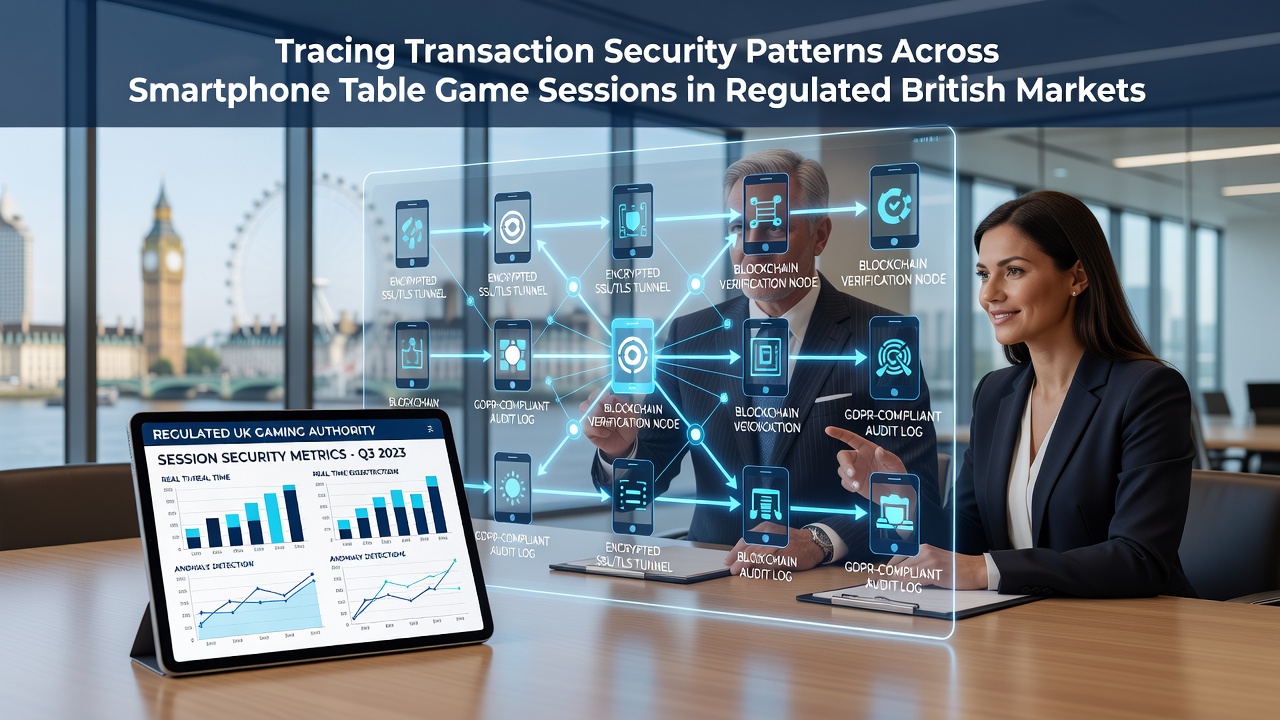
Geographic and Temporal Variations in Security Events
Transaction logs reveal that urban users experience slightly higher rates of secondary verification prompts compared with rural counterparts, a difference analysts attribute to network variability rather than targeted risk scoring. Weekend sessions demonstrate longer average durations between security checkpoints, whereas weekday evening play tends toward more frequent token refreshes that align with shorter, more fragmented engagement windows.
Cross-referencing with industry reports shows that table game categories such as live dealer blackjack trigger distinct monitoring thresholds compared with automated roulette variants, primarily because live streams introduce additional data streams that require parallel encryption handling. These distinctions emerge consistently in datasets spanning multiple calendar quarters, allowing pattern recognition models to predict checkpoint timing with increasing accuracy.
Integration of External Payment Providers and Resulting Security Overlaps
Third-party payment processors integrate their own security shells into the overall transaction pipeline, creating overlapping verification zones that operators must reconcile during each session. Data indicates that seamless handoffs between processor and operator systems occur in the majority of deposits, yet occasional latency spikes appear when biometric confirmation overlaps with network congestion periods common in densely populated regions.
Academic work published through university research networks has examined these overlaps in mobile financial transactions, finding that unified audit trails improve traceability without adding noticeable friction to the player experience in regulated environments. British operators have incorporated elements of these findings into their platform updates, particularly around session resumption protocols that restore active table positions after brief network drops.
Conclusion
Patterns traced across smartphone table game transactions in regulated British markets demonstrate layered authentication, consistent encryption upgrades, and adaptive fraud monitoring that together form a resilient framework for secure play. Continued observation of these flows, especially around temporal peaks and protocol refreshes noted in July 2026, provides operators and analysts with clearer benchmarks for maintaining transaction integrity as mobile sessions evolve.