Verification Protocols Shaping Mobile Live Table Experiences
Mia Wolf · Oct 27, 2026
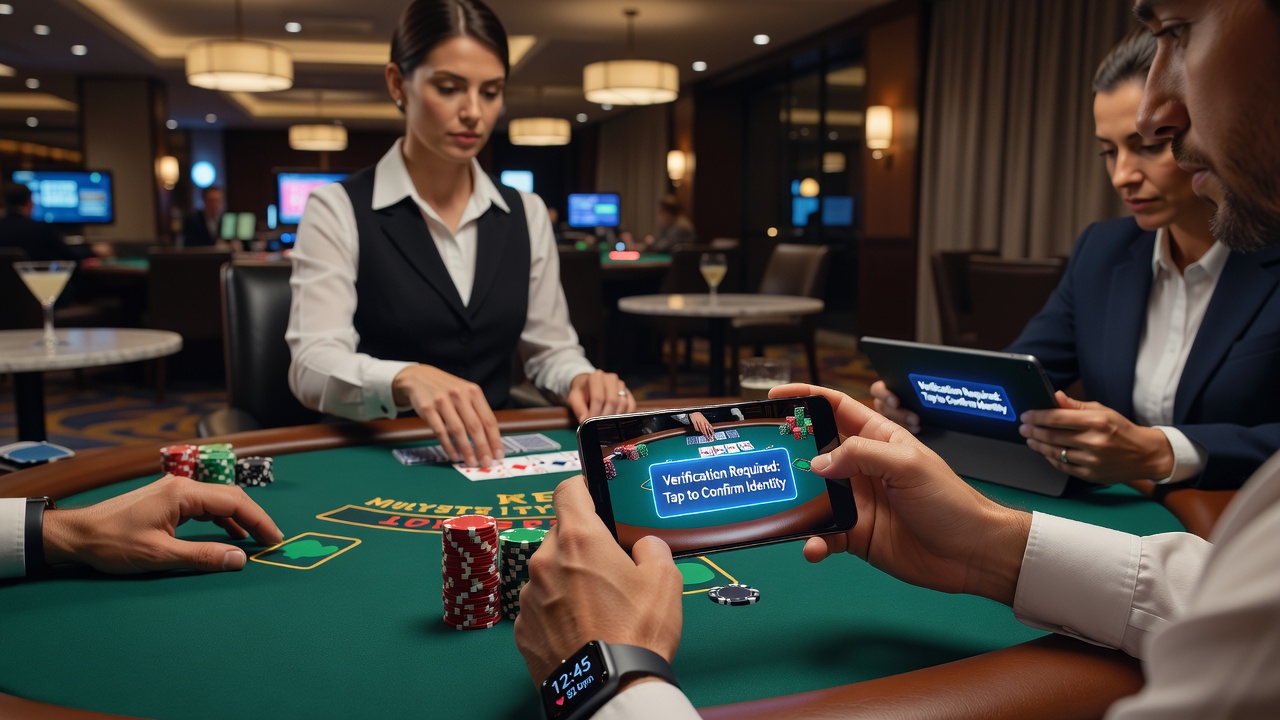
Verification Protocols Shaping Mobile Live Table Experiences
Verification protocols operate as the foundational layer that determines how smoothly live table sessions unfold on handheld devices, and operators integrate these checks at multiple points throughout player journeys. Systems typically require identity confirmation, age verification, and payment authorization before granting access to real-time dealer tables, yet the timing and frequency of these steps create noticeable variations in session continuity. Research from the University of Nevada Reno indicates that streamlined verification correlates with longer average play durations across mobile platforms, while fragmented processes often lead to early exits during initial logins or mid-session prompts.
Initial Access Points and Their Ripple Effects
Players encounter the first verification layer upon account creation or app launch, where document uploads and biometric scans establish baseline compliance with regional licensing rules. These steps, when executed through integrated mobile SDKs, allow transitions into live blackjack or roulette tables within seconds rather than minutes, preserving momentum that enthusiasts value during peak hours. Data from the European Gaming and Betting Association shows that platforms using single-sign-on combined with facial recognition reduce entry friction by up to 40 percent compared with manual review methods still common in certain markets.
Once inside the session, background checks continue through transaction monitoring and location services that activate automatically on handheld networks. Live table interfaces remain active while these verifications run, yet sudden pop-ups requesting additional proof of address or updated payment details can interrupt betting sequences at critical moments such as after a winning streak or during dealer changes. Observers note that such interruptions occur more frequently on devices with variable connectivity, where cached data expires faster and triggers re-authentication cycles.
Mid-Session Triggers and Device-Specific Challenges
Handheld environments introduce unique variables that verification protocols must accommodate, including network handoffs between Wi-Fi and mobile data plus operating system updates that reset stored credentials. When a live dealer session pauses for re-verification, the flow resumes only after the system confirms ongoing compliance, a process that some platforms complete in under 30 seconds while others require full re-entry into the lobby. Figures from iGaming Ontario reveal that mobile users in regulated Canadian provinces experience fewer mid-session halts when operators employ continuous authentication models rather than periodic full resets.
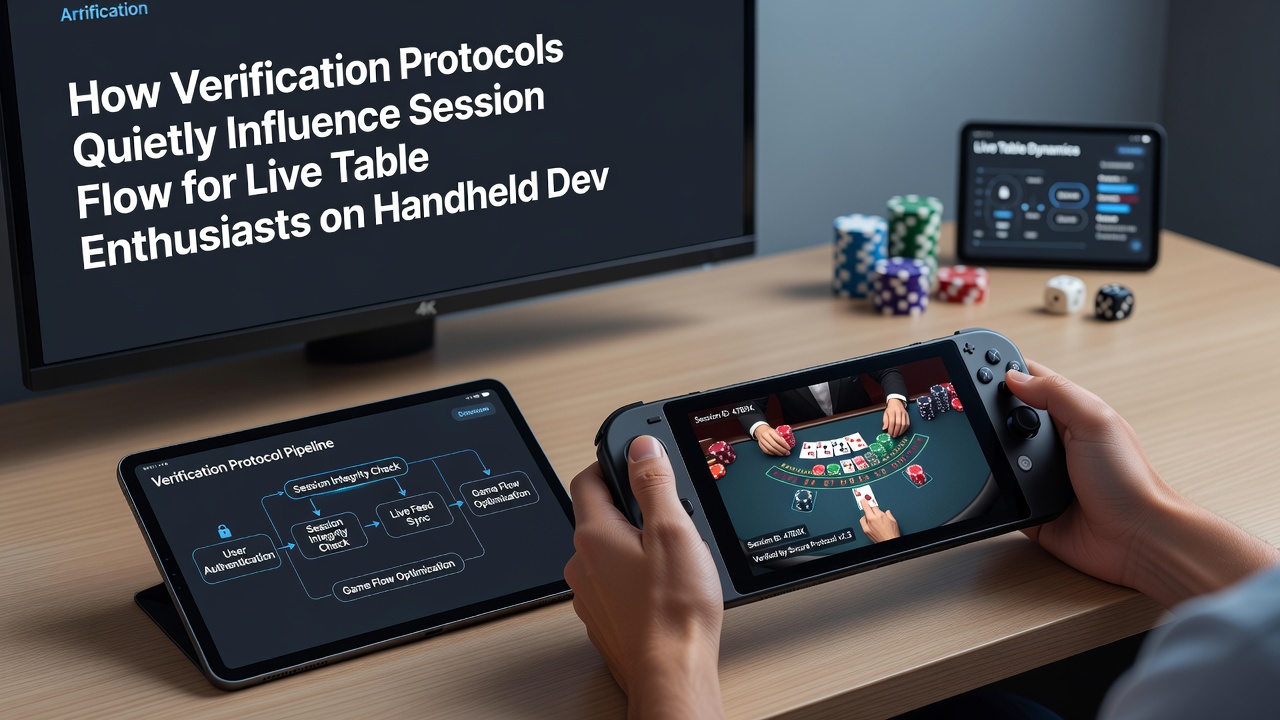
October 2026 marks the scheduled rollout of enhanced cross-border data sharing agreements among several North American and European regulators, which will standardize verification data formats and potentially shorten re-check intervals for returning players. Until then, regional differences persist, with some jurisdictions mandating fresh identification scans after every 24 hours of cumulative play while others rely on risk-scoring algorithms that skip low-risk accounts entirely. Those who've studied session analytics across platforms report that live table retention improves when verification tools operate invisibly in the background, allowing the dealer stream and betting controls to maintain visual priority on smaller screens.
Payment Integration and Its Influence on Continuity
Deposit and withdrawal verifications intersect directly with live table pacing, since many handheld sessions involve quick top-ups during extended play. Protocols that link banking apps through open banking APIs or token-based systems bypass repeated card entry steps, keeping the focus on table action rather than form fields. Industry reports from the Australian Communications and Media Authority highlight that seamless payment authentication reduces session abandonment by noticeable margins, particularly among users who switch between multiple live tables within a single evening.
Security layers such as two-factor authentication via push notifications add another variable, where the speed of device response determines whether a player returns to the table before the next round begins. When these checks align with natural pauses in live dealer pacing, such as between spins or hands, the disruption remains minimal. Yet delays compound when network latency affects both the verification server and the live video feed simultaneously, creating compounded pauses that alter betting rhythm.
Future Adjustments and Regulatory Alignment
Operators continue refining verification workflows in response to evolving device capabilities and regulatory expectations, with emphasis on predictive models that pre-approve low-risk profiles before sessions start. Academic papers published through the Journal of Gambling Studies emphasize that balanced protocols protect platform integrity without fragmenting the real-time social elements that define live table play on mobile. As handheld hardware advances with improved biometrics and faster processors, the quiet mechanics of verification stand to integrate even more closely with the core session experience.
Conclusion
Verification protocols function as invisible regulators that shape every stage of mobile live table sessions, from initial entry through ongoing transactions and periodic compliance checks. Their design determines whether enthusiasts maintain continuous engagement or encounter repeated interruptions that alter session length and satisfaction. Data across multiple regions demonstrates that well-integrated systems support extended play while preserving security standards required by licensing authorities. As cross-jurisdictional frameworks evolve in late 2026, further refinements will likely reduce visible friction points, allowing live dealer interactions on handheld devices to proceed with greater fluidity.