Withdrawal Timelines Shape Engagement Patterns in Mobile Slots and Live Tables
Mia Wolf · Oct 26, 2026
Withdrawal Timelines Shape Engagement Patterns in Mobile Slots and Live Tables
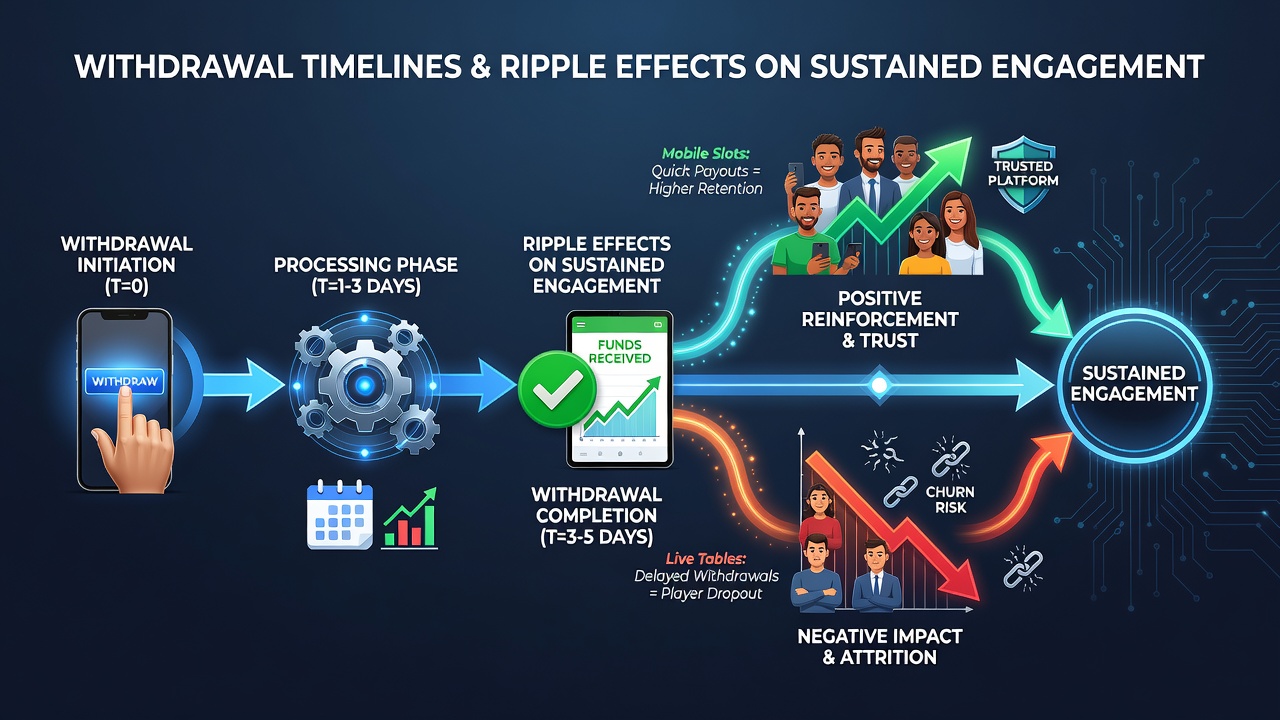
Withdrawal timelines vary widely across mobile casino platforms, and these differences connect directly to how long players maintain activity in slots and live dealer tables, according to industry reports and behavioral studies. Operators process requests through methods like e-wallets, bank transfers, and card payments, each carrying distinct verification steps that stretch from hours to several business days. Data from multiple markets shows shorter processing periods correlate with higher session frequency, while extended waits often lead participants to reduce or pause their play.
Core Elements of Withdrawal Processing
Verification requirements form the first bottleneck in most timelines, and platforms demand identity documents, address proofs, and sometimes source-of-funds declarations before releasing funds. E-wallet options complete transfers in under 24 hours once approved, whereas traditional bank methods extend to three to five days. Researchers at the Australian Gambling Research Centre have documented how these intervals influence user decisions, noting that players facing multi-day waits frequently switch to alternative sites rather than remain idle.
Mobile slots allow quick re-entry after small wins, yet live tables demand sustained attention and larger bankrolls, making payout speed more consequential for continued participation. When funds sit pending, engagement metrics drop because participants cannot immediately reinvest winnings into new rounds or tables. Observers note that this pattern appears consistently across data sets collected through 2025 and into October 2026, as operators refined their systems amid rising mobile traffic.
Observed Effects on Player Retention
Retention statistics reveal measurable shifts tied to payout velocity. Platforms offering same-day e-wallet releases report repeat login rates 18 to 25 percent higher than those relying on slower bank transfers, based on aggregated operator disclosures. One study released by the University of Nevada Gaming Research Center tracked thousands of accounts over six months and found that users receiving funds within 12 hours maintained average weekly session counts nearly double those experiencing 72-hour delays.
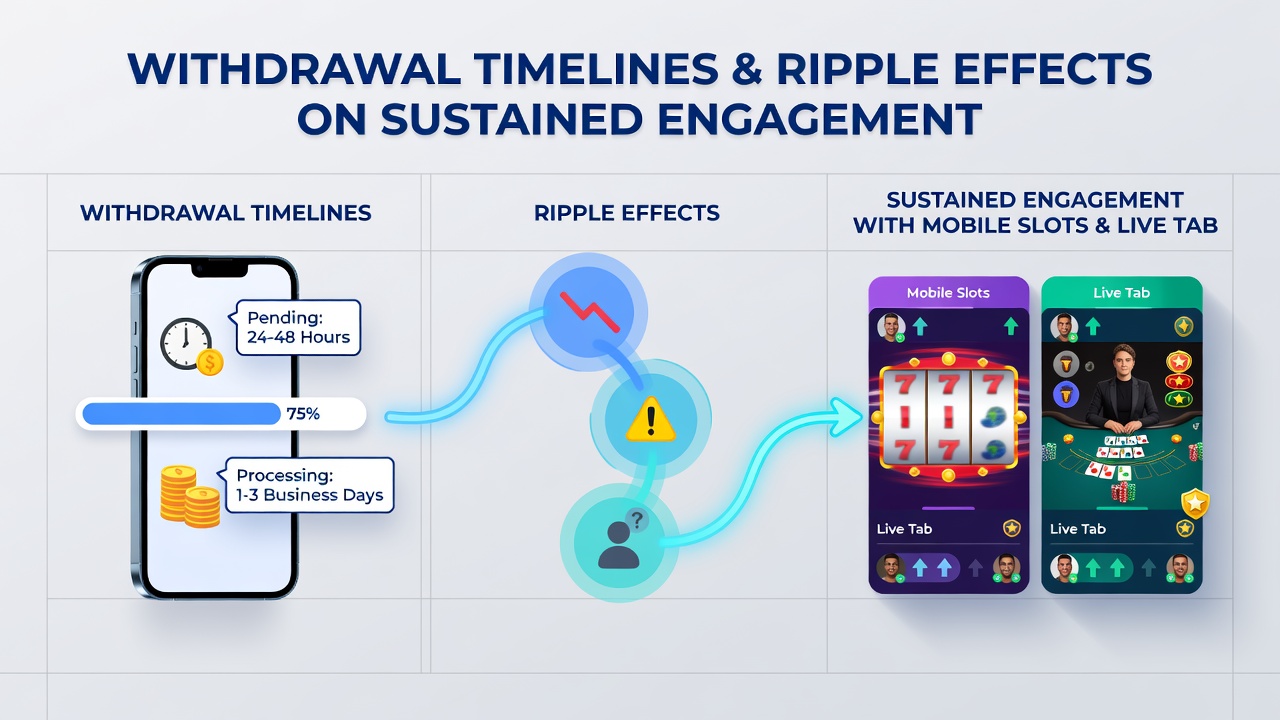
Live dealer environments amplify these effects because table minimums and side-bet structures encourage larger single-session commitments. When a withdrawal lingers, players often abandon planned follow-up sessions rather than deposit fresh capital. Slots present a different dynamic, with their shorter rounds allowing easier re-engagement once funds arrive, yet overall monthly activity still declines when processing stretches beyond 48 hours. Figures released by the Canadian Centre for Addiction and Mental Health indicate similar trends in provinces where mobile gambling expanded rapidly after 2023.
Market Comparisons and Recent Developments
European operators have introduced tiered verification systems that clear low-risk accounts faster, reducing average timelines by up to 40 percent compared with 2024 baselines. In contrast, certain North American state-regulated apps maintain stricter multi-step reviews that extend waits, and data collected through October 2026 shows corresponding dips in sustained mobile engagement. These variations matter because players compare experiences across jurisdictions and migrate toward faster services.
Industry associations such as the European Gaming and Betting Association have published guidance encouraging streamlined verification without compromising compliance. When operators adopt these recommendations, withdrawal-related drop-off decreases, and session lengths in both slots and live tables stabilize. Conversely, sites slow to adapt see participants migrate to competitors offering quicker access to winnings.
Behavioral Patterns Across Game Types
Players who receive prompt payouts demonstrate greater willingness to explore new titles or increase bet sizes in subsequent sessions. Those encountering delays tend to limit activity to promotional balances or free spins rather than committing additional deposits. Live table participants report higher sensitivity to timelines because dealer interactions create a sense of momentum that breaks when funds remain inaccessible. Slot users experience milder but still measurable reductions, often shifting play to times when they anticipate faster processing.
Longitudinal tracking by academic teams at Monash University has identified clear segmentation: high-frequency mobile users prioritize speed above bonus size, while occasional participants tolerate longer waits if loyalty rewards offset the inconvenience. These distinctions help explain why some platforms maintain steady engagement curves despite average processing times exceeding industry benchmarks.
Conclusion
Withdrawal timelines exert measurable influence over how consistently individuals return to mobile slots and live tables. Faster methods support higher retention, whereas delays prompt reduced activity or platform switching. Data gathered through October 2026 continues to highlight these connections across multiple regulatory environments, underscoring the operational importance of efficient payout systems for sustained participation metrics.